
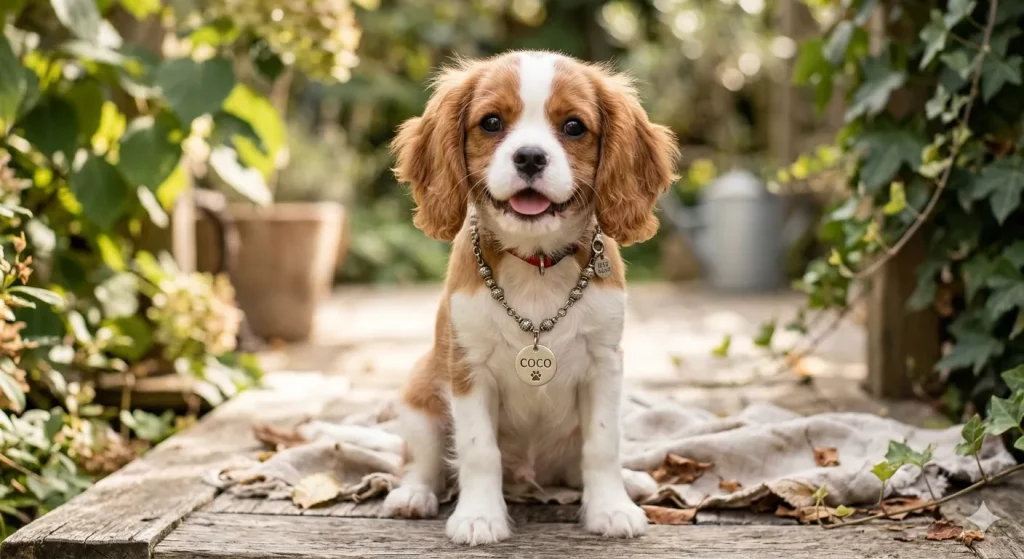
In today’s competitive B2B pet accessory market, sourcing pet charms that combine style, durability, and compliance is no longer optional. High-performance pet charms must withstand frequent wear, active play, and extreme conditions while preventing allergic reactions or green fur issues. This guide answers critical sourcing questions, from material selection to field-tested durability, ensuring your brand delivers reliable products that meet the demands of professional buyers.
Why Should “Looking Cute” No Longer Be Your Primary Pet Charm Sourcing Metric?
Relying solely on aesthetics is the most costly mistake in B2B pet charm sourcing. Pet charms are not static jewelry—they are functional accessories exposed to high-frequency friction, moisture, and physical stress. Choosing charms based only on looks can lead to early failures, increased returns, and brand reputation damage. For professional buyers, field-tested durability, mechanical performance, and material specifications are the core criteria when evaluating potential suppliers.
Does Zinc Alloy Increase Pitting and Breakage Risks in Active Pet Charms?
Cheap zinc alloy charms may appear polished and shiny but are prone to pitting and structural fractures under microscope-level stress. Compared to industrial-grade 316L stainless steel, zinc alloy lacks the hardness and corrosion resistance required for long-term active use. For B2B brands, sourcing charms made from zinc alloy can pose a hidden liability: premature breakage, sharp fragments, or tarnishing can harm pets and erode brand trust.
How Does 316L Stainless Steel Prevent Allergies and Green Fur Issues in Pet Charms?
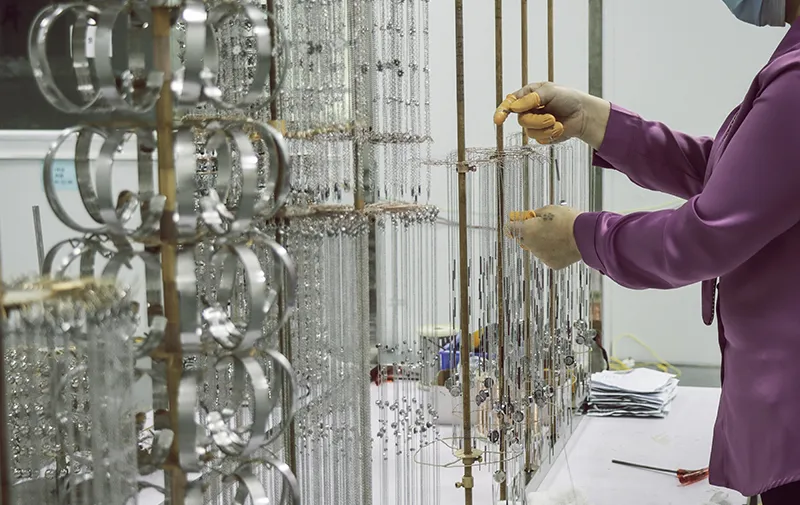
316L stainless steel pet charms are widely recognized for their biocompatibility and hypoallergenic properties, making them ideal for sensitive pets. Unlike ordinary alloys, 316L prevents nickel release that causes skin irritation or fur discoloration. High-end B2B brands rely on medical-grade 316L to protect pets and maintain trust in premium product lines. Selecting 316L charms also reduces customer complaints and potential returns.
| Material | Nickel Release Risk | Tarnish Resistance | Hypoallergenic Suitability | Purchase Instruction |
|---|---|---|---|---|
316L Stainless Steel |
Very Low |
Excellent (resists oxidation & fur discoloration) |
Excellent |
Ideal for sensitive pets; medical-grade quality reduces returns and complaints. |
Brass |
Moderate |
Moderate (tarnishes over time, can stain fur) |
Moderate |
May cause skin irritation or green fur in light-colored pets; suitable only for non-sensitive applications. |
Zinc Alloy |
High |
Low (prone to corrosion, especially in moisture) |
Low |
Not recommended for pets with sensitive skin; short-term use only. |
Can Your PVD-Coated Pet Charms Pass the 72-Hour Salt Spray Test?
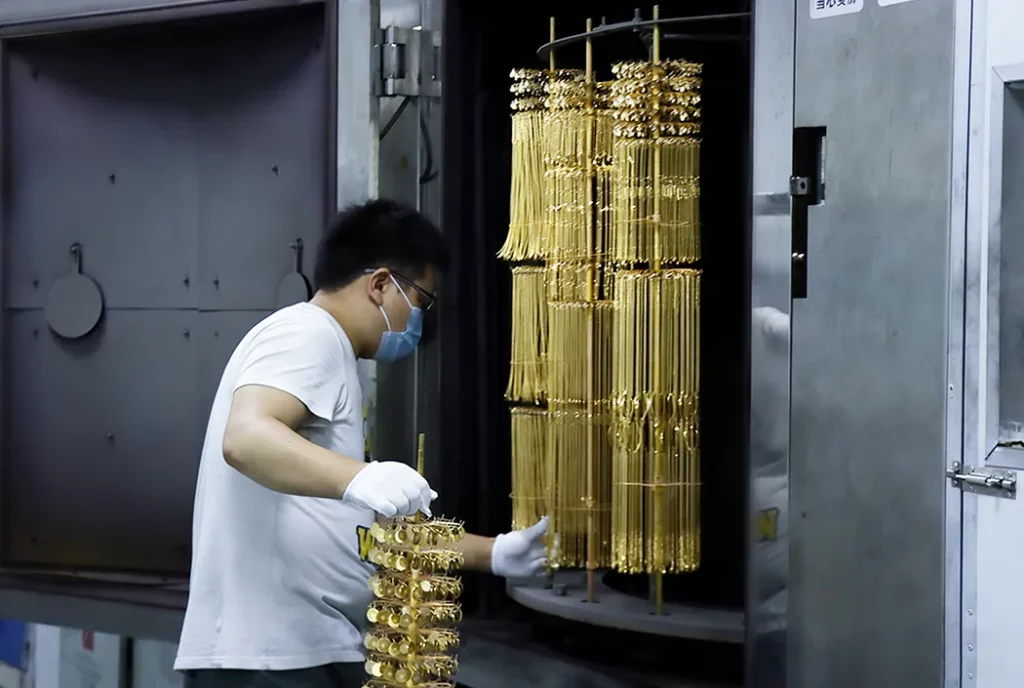
Durable coatings are essential for long-lasting B2B pet charms. PVD (Physical Vapor Deposition) plating bonds at the molecular level, offering superior resistance to wear, scratches, and chemical exposure. Passing a 72-hour salt spray test ensures the charm maintains color and finish even after repeated exposure to moisture, saliva, or humidity. Brands sourcing PVD-coated charms can confidently market them as reliable and premium.
Are Your Connection Rings Secure Enough to Prevent the “Lost Tag” Scenario During Active Play?
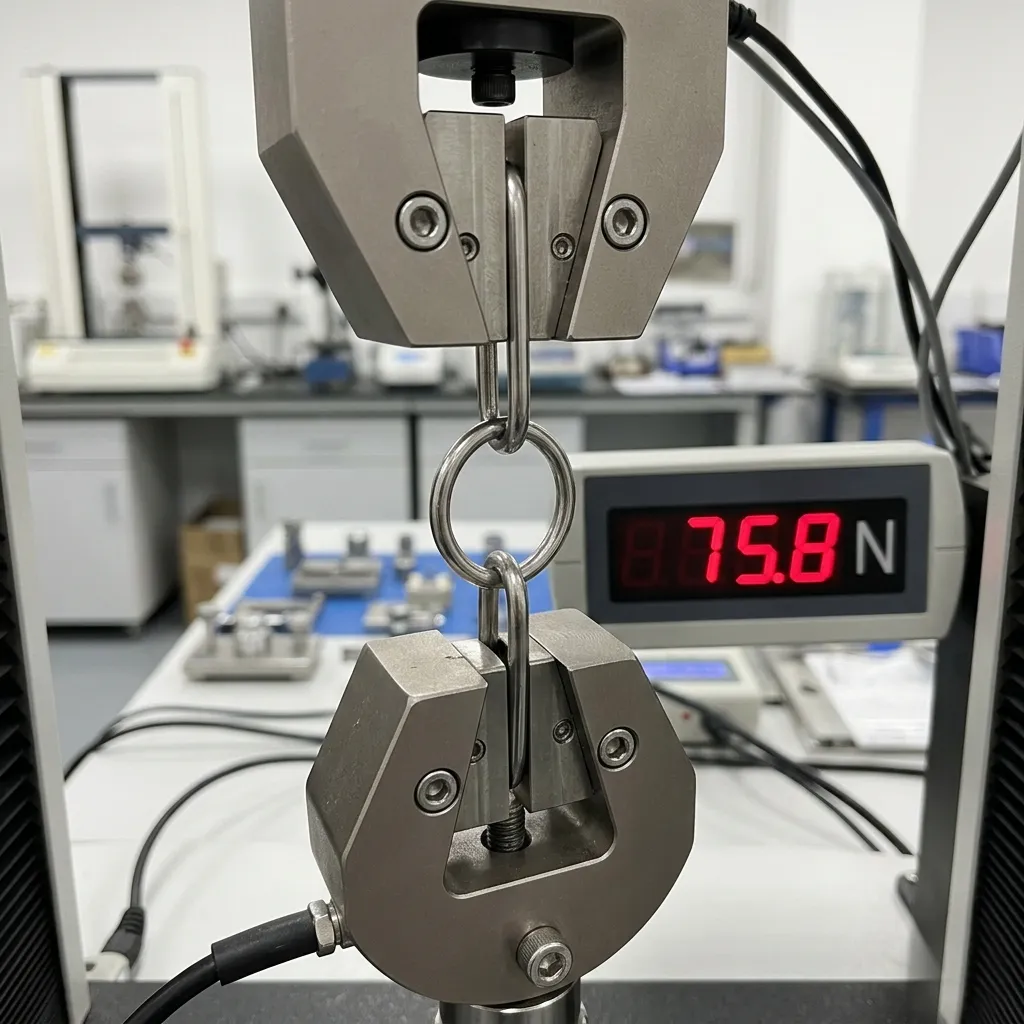
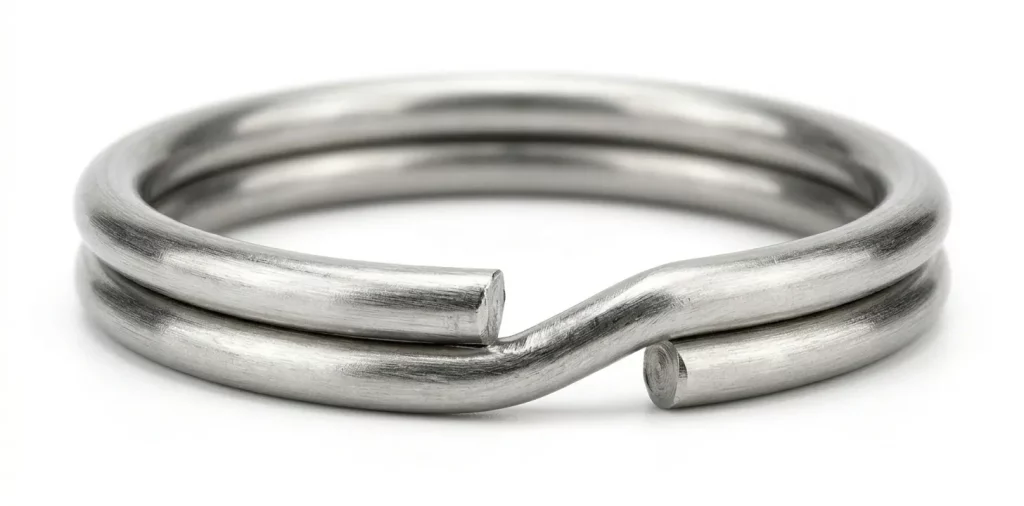
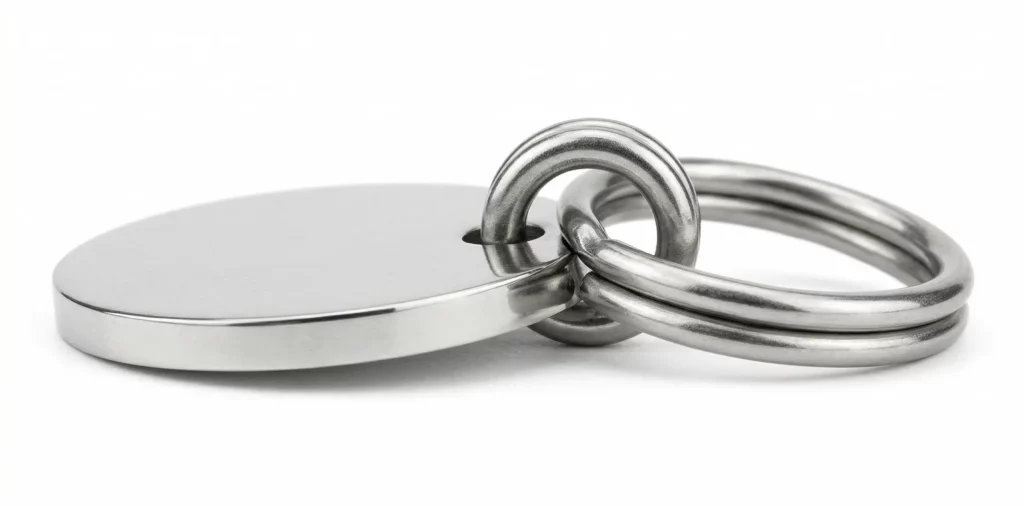
A charm’s quality depends not only on the pendant but also on its jump ring or connector strength. Weak connections are a major cause of lost tags during active play. High-performance B2B pet charms feature reinforced jump rings, tested for tensile strength and deformation resistance. Evaluating this aspect is crucial to reduce returns and maintain brand reputation.
Are 316L Pet Charms Truly Chew-Proof for High-Impact Use?
Pets love to chew, and low-quality charms risk deformation, sharp edges, or accidental ingestion. 316L stainless steel’s high hardness prevents deformation and breakage even under heavy chewing. B2B brands sourcing chew-proof charms ensure safety, longevity, and reduced liability for their customers.
| Material | Typical Hardness (HV) | Deformation Resistance | Breakage Risk Under Chewing | Suitability for Chew-Proof Pet Charms |
|---|---|---|---|---|
316L Stainless Steel |
150–200 HV |
High |
Low |
Excellent |
Zinc Alloy |
80–120 HV |
Low–Moderate |
Moderate–High |
Not Recommended |
Brass |
100–150 HV |
Moderate |
Moderate |
Limited Use |
Will Your Pet Charms Resist Oxidation After Swimming and Bathing?
Frequent exposure to water can cause corrosion in ordinary alloys. 316L oxidation-resistant charms maintain a clean, rust-free appearance after multiple baths or swimming sessions. Assessing oxidation resistance is critical for brands supplying durable B2B pet charms that meet professional standards.
Can High-Hardness PVD Finishes Protect Pet Charms from Collar Clashing?
Collar collisions and playtime impacts can damage standard charms. High-hardness PVD coatings (≥2000HV) protect the surface, preserving the visual appeal and luxury feel of premium charms. For B2B buyers, this ensures that charms remain visually appealing, long-lasting, and brand-compliant over time.
Full Compliance with California Prop 65 and EU REACH Audits Secures Your Market Entry
Compliance is no longer optional. Prop 65 and REACH certification are essential for entry into North American and European markets. Sourcing charms that adhere to these standards reduces legal risk and demonstrates a commitment to safe, certified materials. Regular SGS audits and “clean steel” practices ensure B2B reliability.
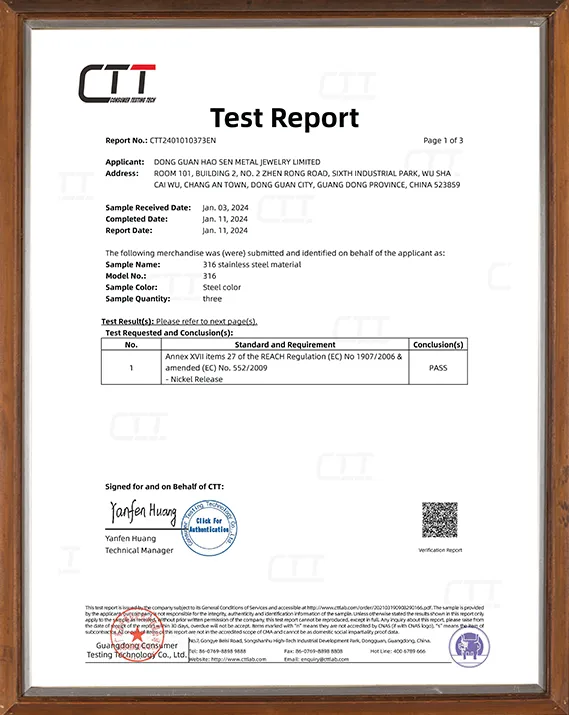
EU REACH
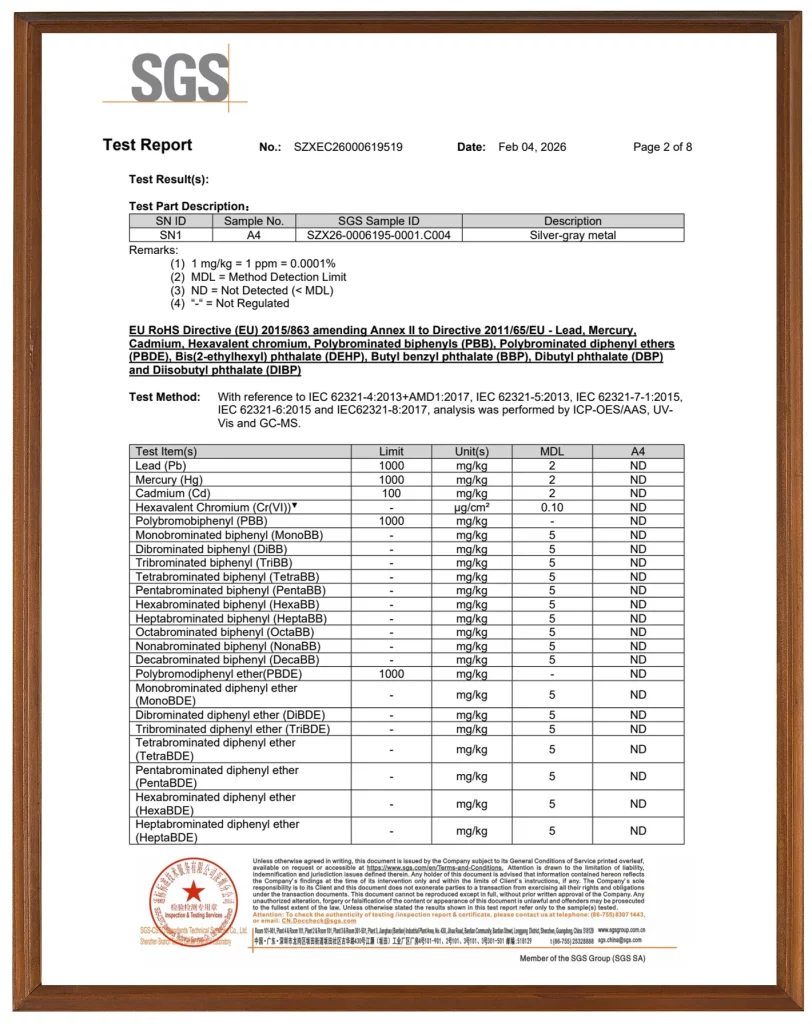
SGS REPORT
Low MOQ Flexibility and Rapid Lead Times Minimize Your Inventory Risk
Modern B2B buyers need agility. Low MOQ options (starting from 30 pcs) combined with 25-day lead times allow brands to test new designs without excessive inventory risk. This flexibility supports trend responsiveness and reduces capital lock-in, a core competitive advantage for 2026 pet charm procurement.
FAQ
What is the best material for long-lasting pet charms?
316L stainless steel offers the best combination of durability, hypoallergenic properties, and corrosion resistance.
How do I ensure PVD-coated charms last?
Verify the supplier provides salt spray testing (≥72 hours) and hardness reports.
What MOQ is typical for B2B pet charm orders?
Flexible suppliers offer low MOQ starting from 30 pieces, suitable for small-batch testing and agile inventory management.
Are zinc alloy charms safe for pets?
Zinc alloy charms may corrode or break under active use and are prone to cause allergic reactions or green fur staining.
How to prevent charms from falling off collars?
Use reinforced 316L jump rings, tested for tensile strength and durability during active play.
Conclusion & CTA
Sourcing high-performance pet charms requires careful attention to material quality, coating durability, mechanical strength, compliance, and supply chain flexibility. By prioritizing 316L stainless steel, high-hardness PVD coatings, and verified jump rings, B2B brands can deliver safe, reliable, and premium charms to their customers.
📩 Contact us today to request sample charms, review compliance documentation, or discuss custom orders. Ensure your B2B pet charm offerings meet the 2026 market standards.