

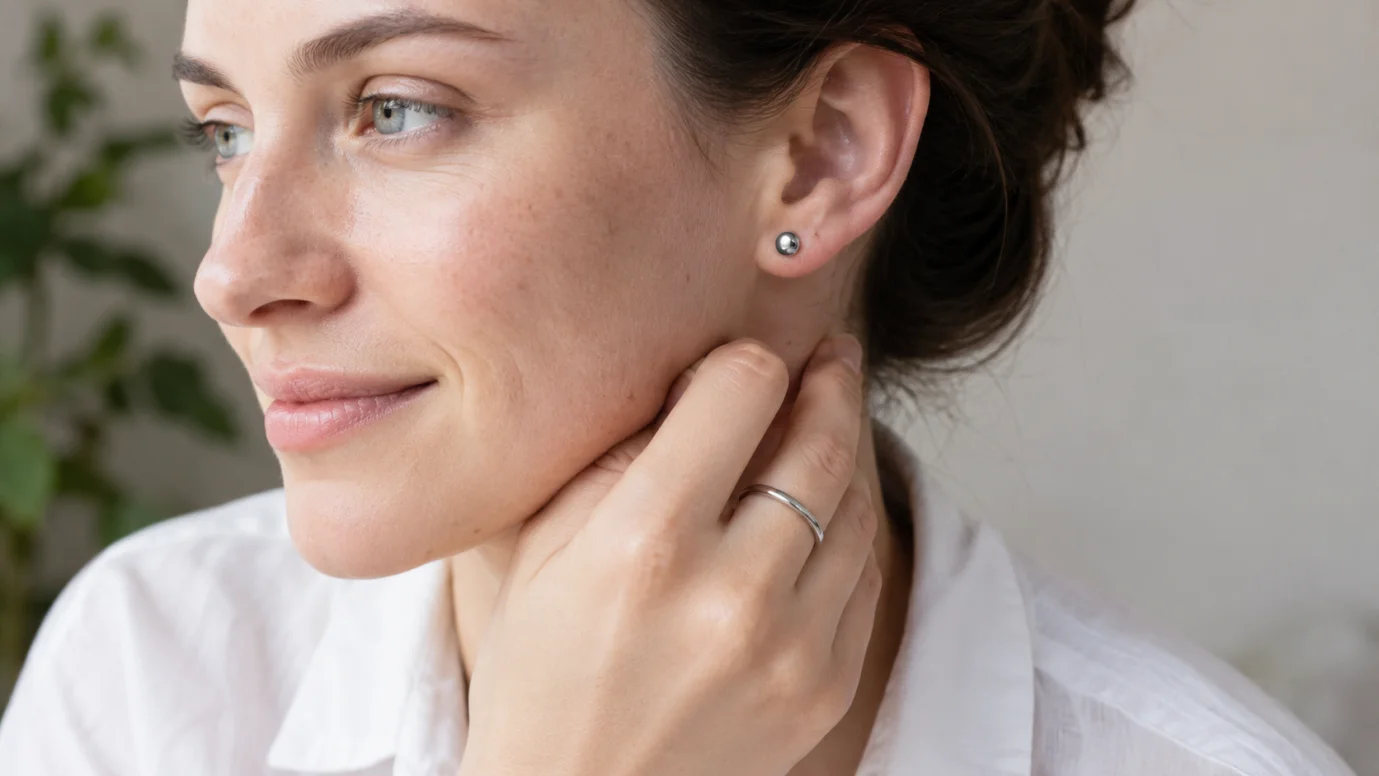
Hypoallergenic stainless steel jewelry is jewelry that is safe for sensitive skin. It uses 316L grade, where nickel is locked inside the metal. So very little nickel touches the skin. It is not 100% nickel-free, but it passes strict skin-safety tests. For brands, this means fewer returns and a strong safety claim.
Skin rashes are a top reason buyers return jewelry. A red, itchy mark can ruin a first order. It also leads to bad reviews and lost trust. This is why so many brands now choose hypoallergenic stainless steel jewelry. It is gentle on the skin and safe for daily wear. But is it truly nickel-free? And how do you prove it is safe? This guide gives you clear answers. You will learn what makes steel skin-safe, which grade to pick, and which reports back your claims.
Is Stainless Steel Jewelry Truly Hypoallergenic?
Yes, most quality steel is skin-safe. The best grade is 316L. In this grade, nickel is held tight inside the metal. So very little nickel reaches the skin. This makes hypoallergenic stainless steel jewelry safe for most sensitive buyers. Brands often ask, is stainless steel jewelry good for sensitive skin? With 316L, the answer is yes. Only a few people with a strong nickel allergy may still react.
Is Stainless Steel Nickel-Free?
Here, brands must stay honest. Is stainless steel nickel free? Not fully. Most steel still has some nickel in it. But 316L locks that nickel in place. It lets out only a tiny amount over time. A better word is "nickel-safe," not "nickel-free." True nickel-free metals exist too, like titanium, for skin that reacts fast.
Why Does Nickel Matter in Jewelry?
Nickel is the top cause of metal allergy. It can leave a red, itchy rash on the skin. This is why the EU limits how much nickel jewelry can release. Cheap metals often leak a lot of nickel. Quality 316L stays well under the safe limit.
What Are the Signs of a Nickel Allergy?
A nickel rash is easy to spot. It shows up where metal touches skin. Look for these signs:
- Red or itchy skin
- Small bumps or dry patches
- A rash under a ring or chain
The rash fades once the metal comes off. Skin-safe steel helps stop it for good. This is why the right grade matters so much.
What Makes 316L the Best Skin-Safe Choice?
316L is a low-carbon medical steel. Doctors use it for implants and tools. It holds nickel tight and resists rust. This keeps the metal calm against skin and sweat. For daily-wear brands, 316L stainless steel jewelry is the safest base. It beats basic 304 steel on skin safety. It is the same steel used in piercings. That is how safe it is.
How Do Brands Prove Jewelry Is Skin-Safe?
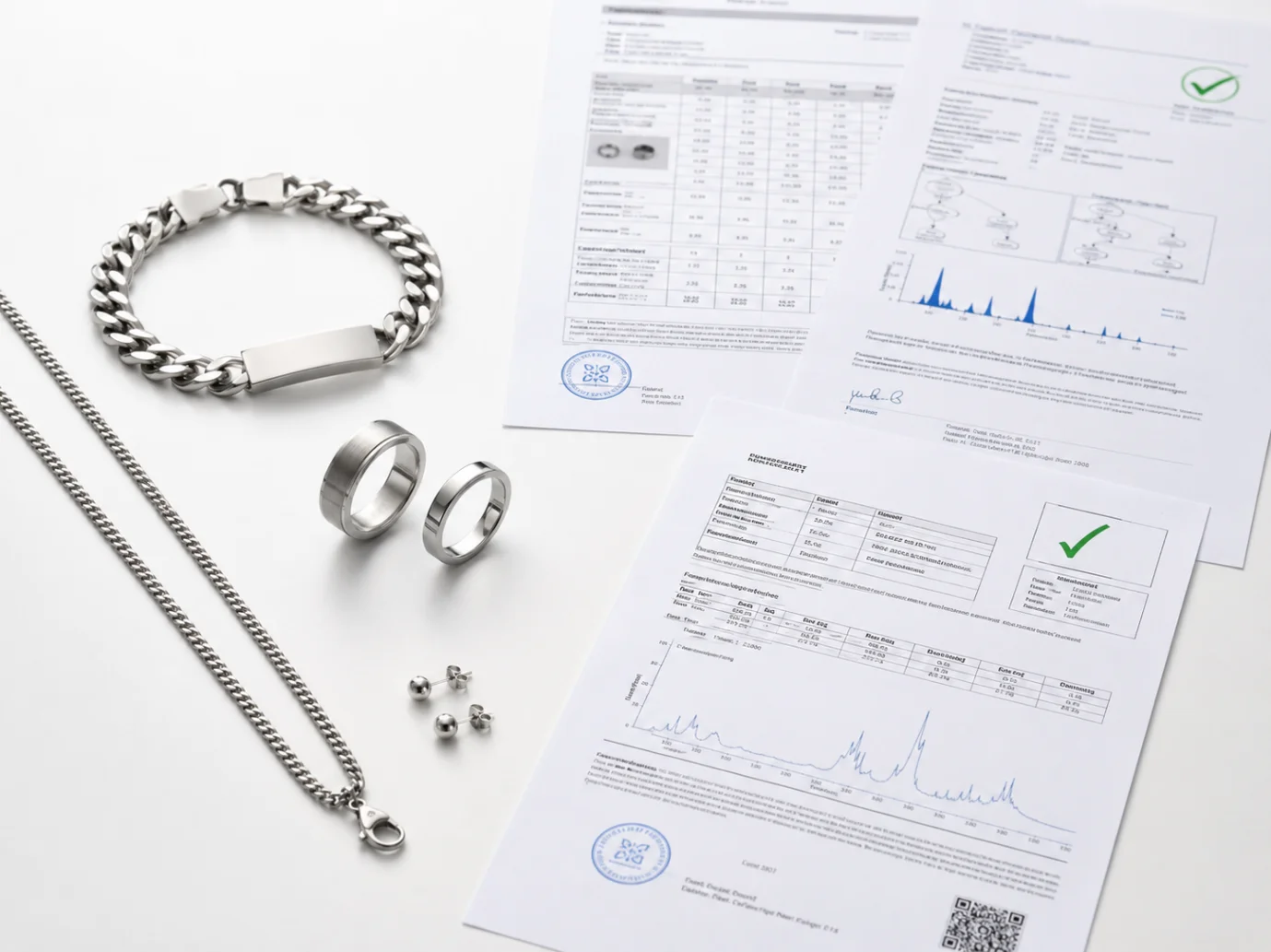
A claim is only as strong as its proof. Buyers and stores now ask for lab reports. Make sure your factory can share these key tests.
Nickel Release Test (EN 1811)
This test checks how much nickel a piece lets out. It must stay under the EU safe limit. Always ask for this report on skin-contact items.
REACH and US Prop 65
These rules limit harmful content in products. They cover lead, nickel, and more. The reports prove your jewelry is safe for the EU and the US.
Lead and Cadmium Tests
Lead and cadmium are unsafe metals. A clean SGS report shows your pieces are free of them. This guards both buyers and your brand.
Haosen tests every batch against these rules. You can view our material test reports before you order.
Which Pieces Are Best for Sensitive Skin?
Earrings touch the most fragile skin, so they need extra care. The right metal keeps every piece safe to wear. Here is a simple guide:
- Studs and hoops: 316L or titanium
- Rings and bracelets: 316L
- First piercings: titanium
All of these can be true hypoallergenic stainless steel jewelry when you use 316L. Offer both 316L and titanium, and you cover every buyer.
Can You Make Gold Jewelry Skin-Safe?
Yes. Color does not have to harm the skin. A PVD finish adds gold or rose gold tones. It bonds the color deep into the steel. The skin still touches safe 316L, not raw metal. So a gold piece can stay skin-safe and bright. Buyers get the gold look with no rash. Always pick PVD over cheap plating for this.
316L vs 304 vs Brass: Which Is Most Skin-Safe?
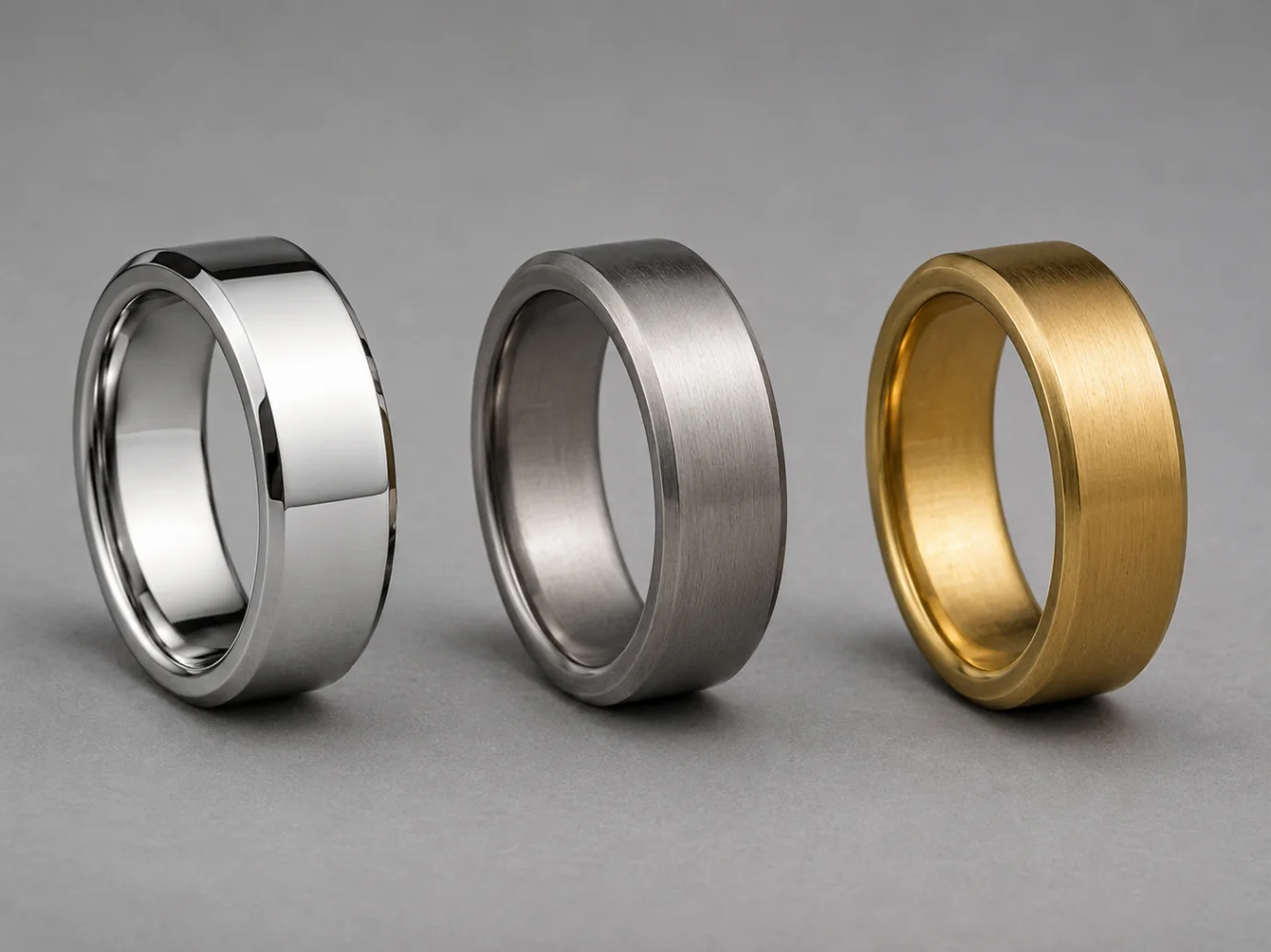
The metal you pick decides how gentle a piece feels. The table below compares the common options.
| Material | Nickel Release | Skin Safety | Best for Brands |
|---|---|---|---|
316L Stainless Steel |
Very low |
Excellent |
Daily wear, sensitive skin |
304 Stainless Steel |
Low to medium |
Good |
Light, indoor wear |
Titanium |
None |
Best |
Piercings, strong allergy |
Brass |
High |
Poor |
Short-term fashion only |
316L leads for most retail lines. Titanium is the pick for piercings and skin that reacts fast.
Why Skin-Safe Jewelry Sells So Well?
Sensitive skin is a huge, growing market. Many buyers cannot wear cheap metals at all. A skin-safe line opens this market for your brand. It also means fewer returns and better reviews. Pair it with a tarnish free jewelry finish, and buyers wear it every day. Strong lab proof then turns a careful shopper into a loyal one. It also helps you win deals with picky stores. In short, safe skin means more sales.
Conclusion
Hypoallergenic stainless steel jewelry is a smart, safe choice for brands. Quality 316L holds nickel tight and protects sensitive skin. It is not fully nickel-free, but it passes strict safety tests. To sell with confidence, choose 316L and back it with lab reports. For skin that reacts fast, offer titanium too. Haosen has built skin-safe pieces for global brands for 16 years. Get a free quote today and request our test reports.
Frequently Asked Questions
Is Stainless Steel Jewelry Truly Hypoallergenic?
Most 316L stainless steel is hypoallergenic. It holds nickel inside the metal, so very little touches the skin. It suits most sensitive buyers.
Is stainless steel nickel-free?
Not fully. Most steel has some nickel. But 316L lets out only a tiny amount, which is why it is called nickel-safe.
Can stainless steel jewelry cause an allergy?
It is rare with 316L. Only people with a strong nickel allergy may react. Titanium is the safest pick for them.
Is 316L stainless steel safe for sensitive skin?
Yes. It is a medical-grade steel that holds nickel tight. It is the top choice for daily, skin-safe wear.
What jewelry is best for very sensitive skin?
Titanium is fully nickel-free and best for piercings. 316L stainless steel is a great, lower-cost option for most buyers.
Author

Industry trend analysis and researches fashion jewelry market data.