
Custom Jewelry Case Studies | OEM & ODM Projects

Case Studies

Explore real jewelry manufacturing projects completed by Haosen Jewelry for brands, designers, retailers, and other B2B customers.

These case studies show how we turn different product requirements into production-ready solutions—from material selection and structural development to sampling, finishing, quality control, and volume production.

Jewelry Manufacturing Case Studies

See how Haosen Jewelry helps brands and B2B buyers turn jewelry concepts into production-ready products.

Our case studies cover real projects involving material selection, structural development, sampling, manufacturing processes, surface finishing, quality control, and volume production.

Explore different jewelry projects to learn how we solve manufacturing challenges across stainless steel, brass, alloy, resin, leather, and other materials.
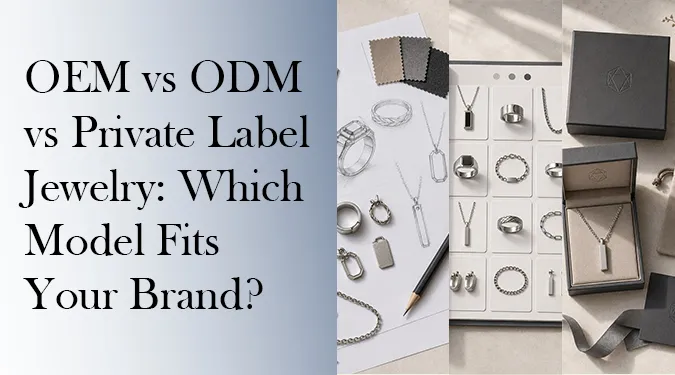
OEM vs ODM vs Private Label Jewelry: Which Model Fits Your Brand?

Deciding on a production model shapes your jewelry brand's cost, speed, and customization level. This comprehensive guide simplifies the OEM vs ODM jewelry choice by breaking down design ownership, upfront costs, and timelines. Whether you want the full custom control of OEM, the budgeted custom touch of ODM, or the fast launch of private label, find the perfect manufacturing path for your business.

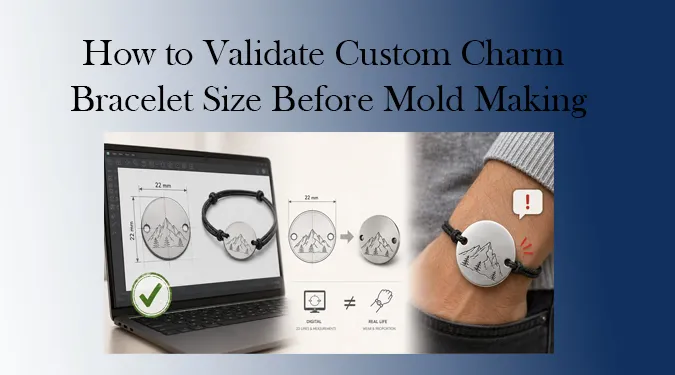
How Can 1:1 Paper Samples Prevent Mold Errors in Custom 316L Stainless Steel Jewelry?

Designing and producing custom bracelet charms for overseas B2B clients involves more than just sending a CAD file to approval.Even when a client confirms a CAD drawing,the final product may appear too large or small.Based on our experience,these three tips can save both time and cost when confirming charm sizes for custom stainless steel charms:

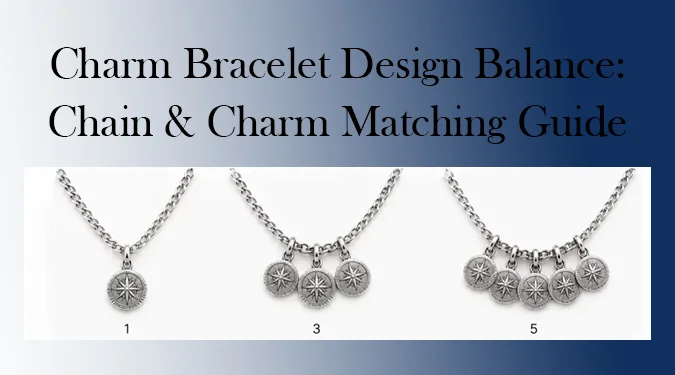
How to Match Bracelet Chain Thickness and Charm Size? A Guide by Haosen Jewelry Factory

A bracelet consists of a main chain and small hanging charms. When designing, we need to understand the rationality of these size combinations. There are three variables: the thickness of the main bracelet chain, the size of the small charms, and the quantity of the small charms.

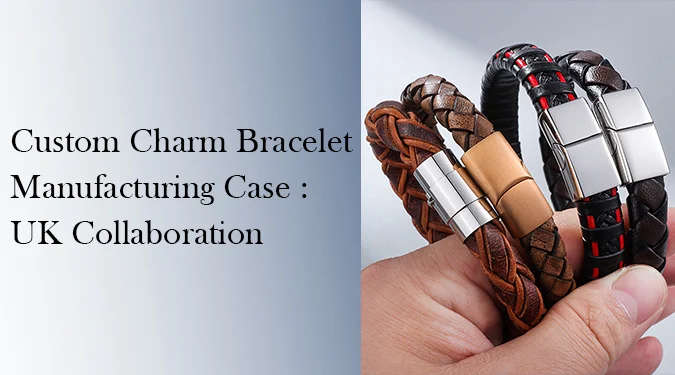
B2B Charm Bracelet Development: A Founder’s Note on Co-developing Charm Bracelets with a UK Apparel Brand

When Alex, the accessories buyer for HALO Studio, a London-based contemporary clothing brand, first reached out to us, he sent a brief that was wonderfully simple yet profoundly challenging:

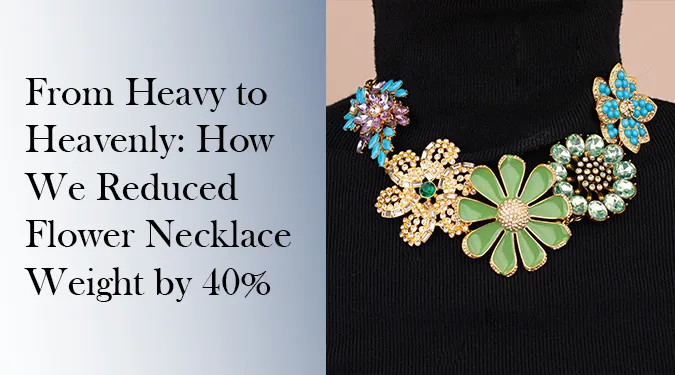
How to Reduce the Weight of a Flower Necklace and Improve Wearing Comfort by Replacing Accessories

This case study showcases the development process behind a lightweight flower necklace project, highlighting how Haosen transformed a client’s design concept into a wearable piece with reduced weight while maintaining visual appeal and durability. The article explores material selection, structural optimization, sampling adjustments, and manufacturing solutions used to help jewelry brands achieve better comfort, cost efficiency, and market competitiveness.

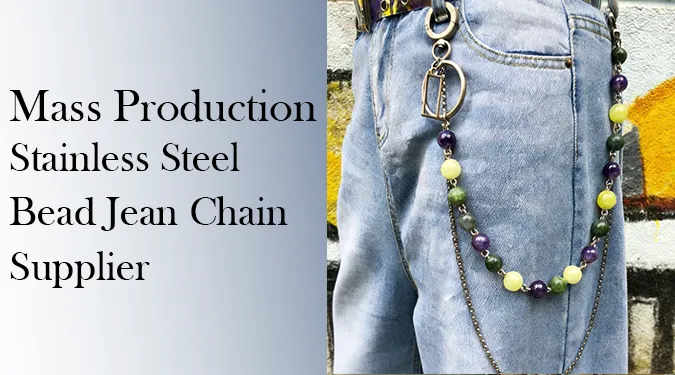
Why Stainless Steel Jewelry Samples Often Fail in Mass Production: The Case of Colorful Bead Pant Chains

In the jewelry manufacturing world, many brands are caught in the “perfect sample trap.” The perfect example of this is the colorful bead pant chain, which may look perfect during the sample stage but often encounters difficulties when the process moves to mass production. This article will delve into the reasons for this and how brands will benefit from learning about the difficulties in the process, helping them make the right decisions before ordering in bulk.

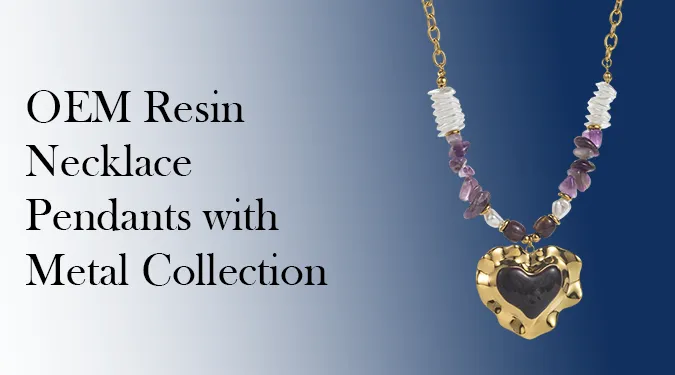
From Concept to Catalog: Customizing Your Resin Necklace Series with Metal

Resin, a material that was known for its natural fluid qualities, has long since been associated with the word “cheap”; however, through its clever pairing with artistic metals, it has become a popular choice for the world of high fashion. The heart of the mixed-media jewelry trend is contained within the contrasts created through the pairing of the warmth of resin with the cold metal.

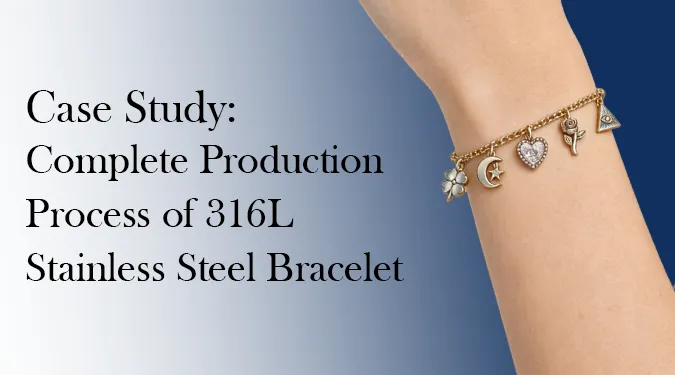
316L Stainless Steel Charms Bracelet Manufacturing Process – Haosen Jewelry

This article details Haosen Jewelry’s full manufacturing process for 316L stainless steel charm bracelets, covering DFM audit, lost‑wax casting, #8000 mirror polishing, PVD 18K gold plating, micro CZ setting, laser welding, assembly, passivation, and strict QC. It highlights hypoallergenic material, OEM/ODM customization, low MOQ, 20–30‑day lead time, global compliance, and after‑sales support for brands and wholesalers.
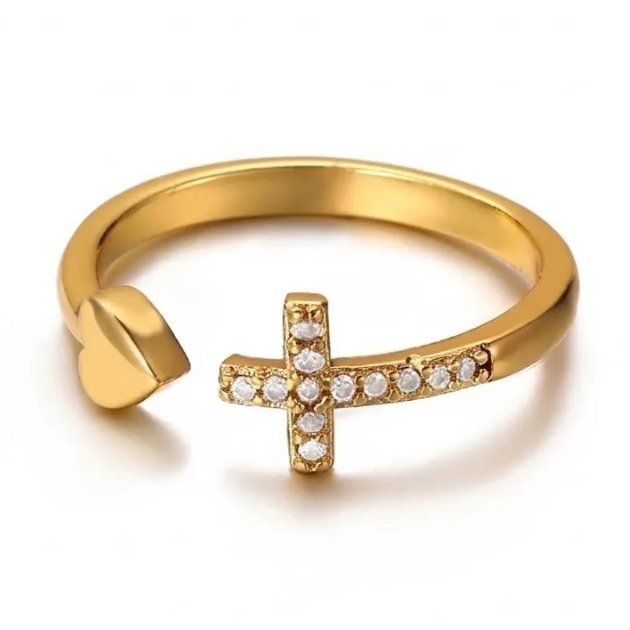
fashion jewelry supplier 316l stainless steel cross ring

Product

Material

Premium 316L Stainless Steel.

These rings are crafted from eco-friendly 316L stainless steel, meeting strict ISO-certified quality standards for hypoallergenic and durable fashion jewelry.

Solution

Each piece is finished to a mirror-polish grade, providing a luxurious look and feel that appeals to high-street brands and minimalist retailers.

Manufacturing Process

From rapid prototyping to mass production, we offer end-to-end manufacturing expertise to ensure your jewelry collections are delivered with technical excellence.

FAQS

1. What is your minimum order quantity for jewelry?

For many regular designs, our MOQ starts from 30 pieces or pairs per design per color. The exact MOQ depends on the material, structure, mold requirements, finish and production process.

Samples can start from 1 piece. Production quantities below the standard MOQ depend on the specific project and should be reviewed individually.

MOQ is normally calculated per design and per color, rather than by combining unrelated designs into one quantity.

For example, 30 pieces of Design A and 30 pieces of Design B are treated as two production styles.

Different colors often require separate finishing or plating batches, so MOQ normally applies to each color. Send us your color plan and we can review the most practical production arrangement.

No.

Regular designs and products using existing standard production resources may start from 30 pieces or pairs.

Complex molded products, special components or process-intensive designs may require approximately 200–500 pieces, depending on the project.

Yes.

Sampling allows you to review the design, dimensions, material, construction and finish before production.

Get A Free Quote