

The key distinction is simple: in everyday fashion-jewelry shopping, consumers often focus on style, color and price rather than the metal under the finish. Many finished brass necklaces, earrings and bracelets sold for fashion use are plated brass jewelry: a brass base covered with a specified decorative metal finish. It is a common manufacturing option, but not the definition of every brass item. Solid brass describes the base metal, raw brass usually refers to a surface without decorative metal plating, and gold-filled describes a mechanically bonded gold-alloy layer on a base metal. These are different kinds of material descriptions, not four grades of brass.
FOUR MATERIAL TERMS
| Term | What the name describes | Typical meaning to buyers |
|---|---|---|
Plated Brass |
Brass base + plated surface |
Common finished look for gold- or silver-colored fashion jewelry; finish specifications matter. |
Solid Brass |
Base-metal composition |
The piece is made from brass, not simply brass-colored; it may still be plated. |
Raw Brass |
Surface condition |
Usually natural, unplated brass; it may be polished or separately protected. |
Gold-Filled |
Mechanically bonded gold-alloy covering |
A composite metal stock, often with a brass core; not a synonym for thick electroplating. |
What Does Brass Jewelry Mean in Everyday Use?
In stores and everyday conversations, shoppers may call an accessory fashion jewelry or costume jewelry without identifying its alloy. Some may casually call low-priced pieces “cheap jewelry,” but that is a judgment about price or perceived quality, not a recognized material specification. Fashion jewelry may use brass, stainless steel, zinc alloys and many nonmetal materials; the terms do not guarantee a particular base metal or finish.
The same gold-colored necklace could be described in retail language as fashion jewelry, but in a factory specification it might be “brass base metal with gold electroplating.” A generic listing such as “gold-tone jewelry” describes appearance and does not establish whether actual gold was used. Brands should distinguish product category, base metal and surface finish before sourcing.
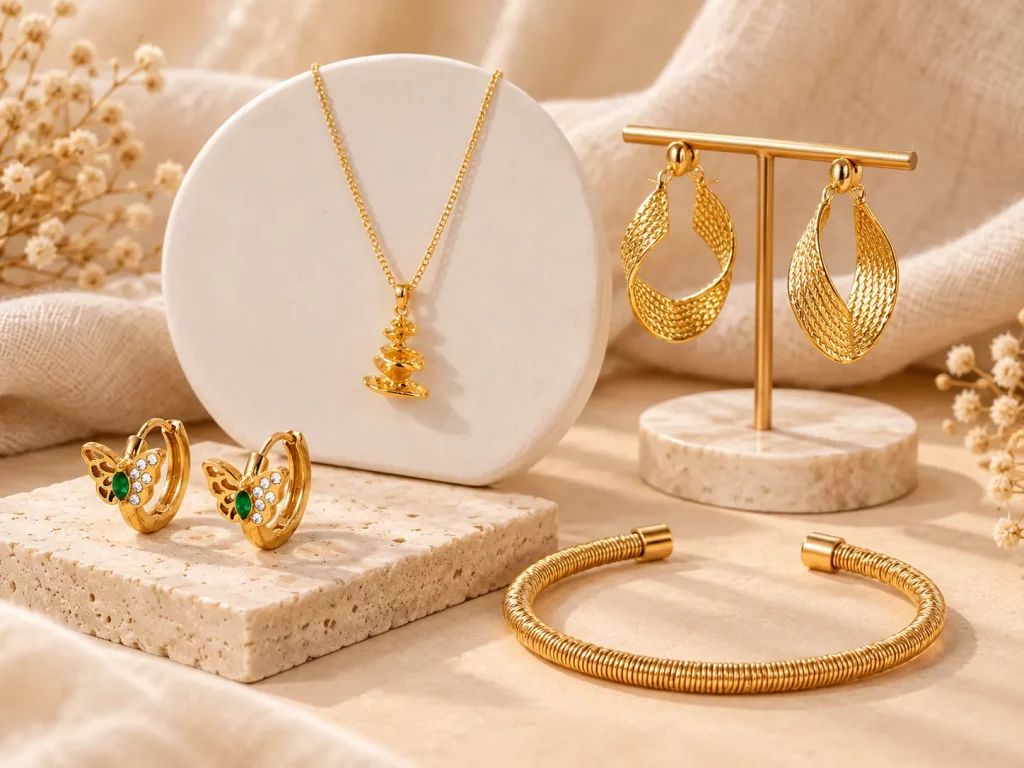
Plated Brass vs. Solid Brass, Raw Brass & Gold-Filled
Plated Brass Jewelry
Plated brass is a brass component covered with a metal finish, such as genuine gold, silver or rhodium plating. Gold-plated brass is a familiar form in fashion jewelry. The brass part may first be cast, stamped or formed, then prepared and plated to achieve the requested finish. This combination makes it practical to develop different jewelry styles while controlling the color and surface appearance separately from the base structure. For a practical example of how the finishing sequence affects a brass accessory, see our second electroplating for brass jewelry case study involving laser-engraved tie clips.
For example, an “18K gold-plated brass necklace” still has a brass base: “18K” describes the fineness of the gold alloy used for the plating, not the gold content of the whole necklace. “Gold-tone” by itself does not promise a genuine gold layer. Plating performance varies with the agreed finish, thickness, base preparation and wear conditions. See custom brass necklace manufacturing for a product-level application.
Solid Brass Jewelry
“Solid brass” normally tells a shopper that brass is the material of the component rather than just a brass-colored surface. It does not automatically mean “Unplated”. A solid-brass pendant can retain its natural color or receive gold plating; in the latter case, “solid brass” and “gold-plated brass” can both describe the same piece from different angles.
Because “solid” can also suggest a non-hollow structure, manufacturers should specify hollow or tube-based constructions where relevant. For technical purchasing documents, “brass base metal” plus a separate surface-finish field is usually clearer than relying on the term “solid brass” alone. To understand how brass base metals are supplied for different manufacturing processes, explore the 8 brass raw material forms used in jewelry manufacturing.
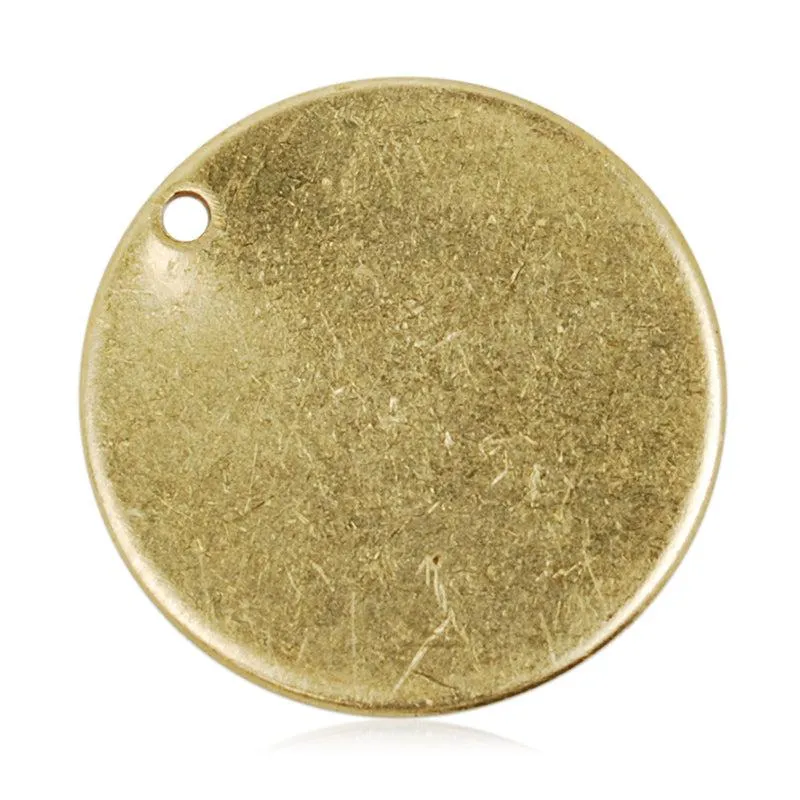
Unplated Solid Brass
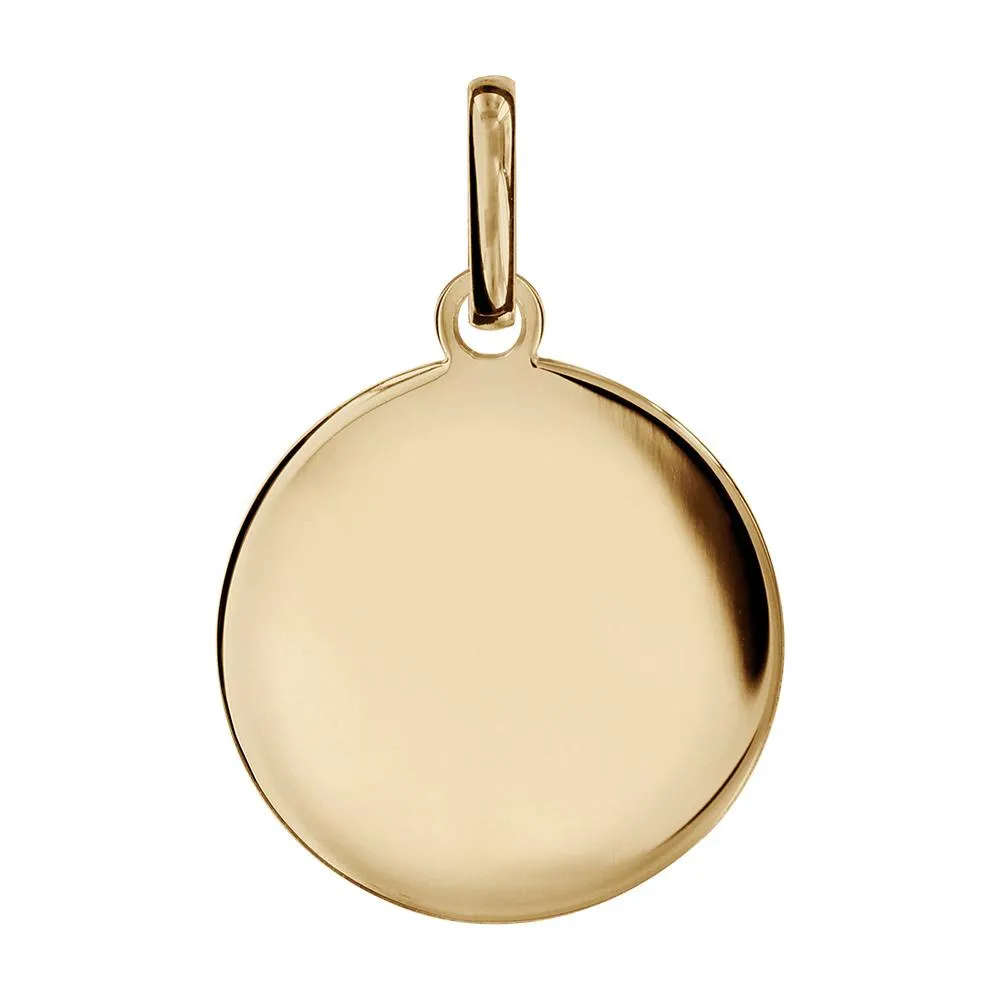
Gold-Plated Solid Brass
Raw Brass Jewelry
“Raw brass” is commonly used for brass that shows its own natural yellow-gold tone without decorative metal plating. It is especially familiar in handmade or vintage-inspired jewelry. “Raw” does not necessarily mean completely untreated: the metal might have been cut, polished or given a transparent protective finish. Buyers should ask whether any coating is present.
Exposed brass can darken or develop a patina through contact with air, moisture and everyday wear. Raw brass and solid brass can therefore describe the same item: one term concerns the surface state, while the other concerns the base metal.
Gold-Filled Brass Jewelry
Gold-filled material uses a gold-alloy covering mechanically bonded to a base-metal core, often brass. It is generally supplied as fabricated composite stock, such as wire or sheet, that can be made into suitable jewelry components. It is not produced merely by giving a finished brass piece a thicker electroplated layer.
A common U.S. designation, 1/20 14K gold-filled, refers to a 14K gold-alloy covering that accounts for at least one-twentieth (5%) of the applicable total metal weight—not 5% pure gold. Cutting, joining or polishing may expose or affect the underlying metal, so not every cast or complex brass design can simply be converted to gold-filled. Availability and manufacturing feasibility must be confirmed with the supplier.
Why Is Plated Brass Common in Fashion Jewelry?
For many commercial fashion-jewelry designs, brass offers a useful combination of formability, design detail and compatibility with decorative metal finishes. A manufacturer can develop a pendant, earring or bracelet component using a suitable brass process and then apply a gold-, silver- or other specified finish. This is why plated brass jewelry is a common production choice for fashion collections with coordinated colors and varied silhouettes—not because every fashion-jewelry item is made of brass. Our brass ring material selection case study shows how different ring designs led to the use of brass sheet, bar and casting stock before finishing.
From a factory perspective, the useful purchasing question is not simply “Is it fashion jewelry?” or “Is it solid brass?” It is: What is the base metal, and what surface finish is required? For plated brass, the product description should identify the brass component, the actual plating metal and finish specifications. For raw brass, it should state whether the surface is unplated and whether a clear coat is used. For gold-filled, it should confirm the bonded material structure and applicable evidence.
For a wider overview of base metals, see the jewelry manufacturing materials guide. Jewelry brands developing brass-based collections can share design references and finish requirements with a custom brass jewelry manufacturer or review the OEM/ODM development process before finalizing the material description.
Author

Ertian Jiang (Jasper) is the founder of Haosen Metal Jewelry. Since the age of 26, he has combined deep roots in traditional craftsmanship with a sharp vision for the market to build the foundation of the company’s excellence.
Ertian Jiang started on the ground floor as a craftsman, specializing in semi-precious stones (agate, mother of pearl, tiger’s eye) and manual inlaying—perfecting how to fit natural stones into metal bases without gaps or glue failure. He also worked on the front lines of sales, speaking face-to-face with buyers and listening to their frustrations about fallen stones and fading colors.