

When designing a necklace or bracelet, it’s easy to focus on the details everyone will notice first: the chain, the gemstones, or the overall shape. The clasp may seem like a small finishing touch, but as a jewelry finding, it plays an important role in bringing the piece together. Its style affects the finished look, while its construction determines how it connects to the chain and fastens.
With so many different kinds of jewelry clasps and closures available, choosing one can be harder than it seems. A clasp that looks right may not suit the chain or construction, while one that works well may feel out of place in the design. This guide walks through the most common types of jewelry clasps and what to consider when choosing one for your designs.
If you’re exploring finished jewelry styles, browse HaoSen’s necklace collection and bracelet collection.
Key Takeaways
- Choose a clasp that suits the jewelry design. A fine-chain necklace, pearl strand, and multi-strand bracelet may require different closure styles.
- Consider ease of use and appearance. Some clasps are designed to stay discreet, while others serve as decorative details. The closure should also be easy for the wearer to fasten.
- Check size, material, and compatibility. Make sure the clasp fits the chain or bracelet and matches the other metal components in your design.
- Test the clasp on a finished sample. Check how it opens, closes, and connects to the jewelry before approving bulk production.
Common Types of Jewelry Clasps
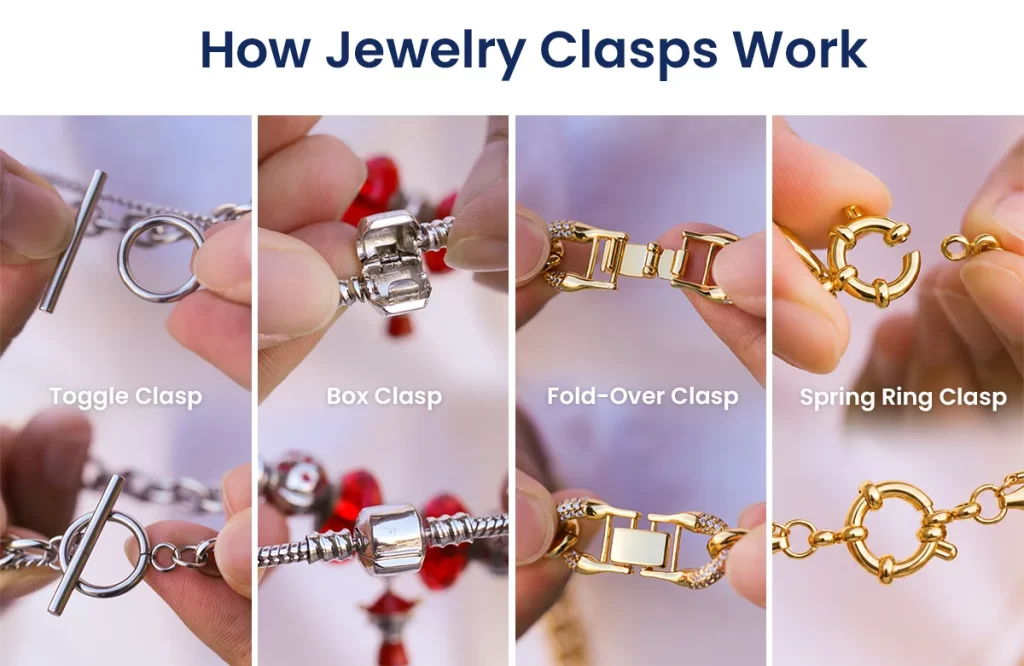
Jewelry clasps come in different shapes and mechanisms, and each works a little differently. Some are small enough to blend into a fine chain, while others are designed to stand out as part of the jewelry. Here are 10 common Jewelry closure types you’ll come across when designing necklaces, bracelets, and other jewelry pieces.
Note: Ease-of-use ratings are general estimates. Actual usability depends on the clasp’s dimensions and construction.
| Clasp Type | How It Works | Best For | Ease of Use |
|---|---|---|---|
| Lobster Clasp | A spring-loaded lever opens the hook. Release it to close. | Necklaces and bracelets | Moderate |
| Spring Ring Clasp | A small lever retracts a pin to open the circular ring. | Lightweight necklaces and bracelets | Difficult |
| Toggle Clasp (T-Bar Clasp) | Pass the bar through the ring and turn it sideways to secure the clasp. | Decorative necklaces and bracelets | Easy |
| Box Clasp | Insert a metal tab into a box-shaped receiver. Some styles include a safety catch. | Bracelets, necklaces, and multi-strand designs | Moderate |
| Magnetic Clasp | Two magnetic ends attract and connect to close the jewelry. | Selected necklaces, bracelets, and cord designs | Easy |
| Fishhook Clasp | Fit the curved hook into its decorative enclosure. | Pearl necklaces and selected bracelets | Moderate |
| Hook-and-Eye Clasp | Connect the hook at one end to the loop at the other. | Necklaces and bracelets | Easy |
| Barrel Clasp | Twist or interlock the two ends to connect them. | Necklaces and bracelets | Difficult |
| Fold-Over Clasp | A hinged section folds over to connect the two ends. | Bracelets and watch-style designs | Moderate |
| Slide and Adjustable Clasp | Slide components connect the ends or adjust the jewelry's length, depending on the design. | Multi-strand and adjustable necklaces and bracelets | Moderate |
1. Lobster Clasp
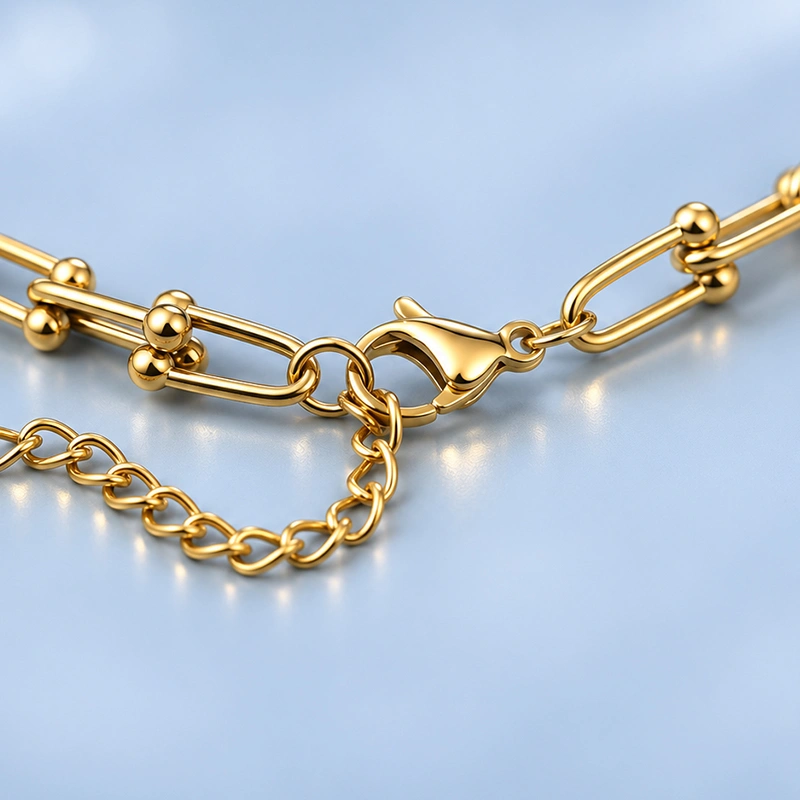
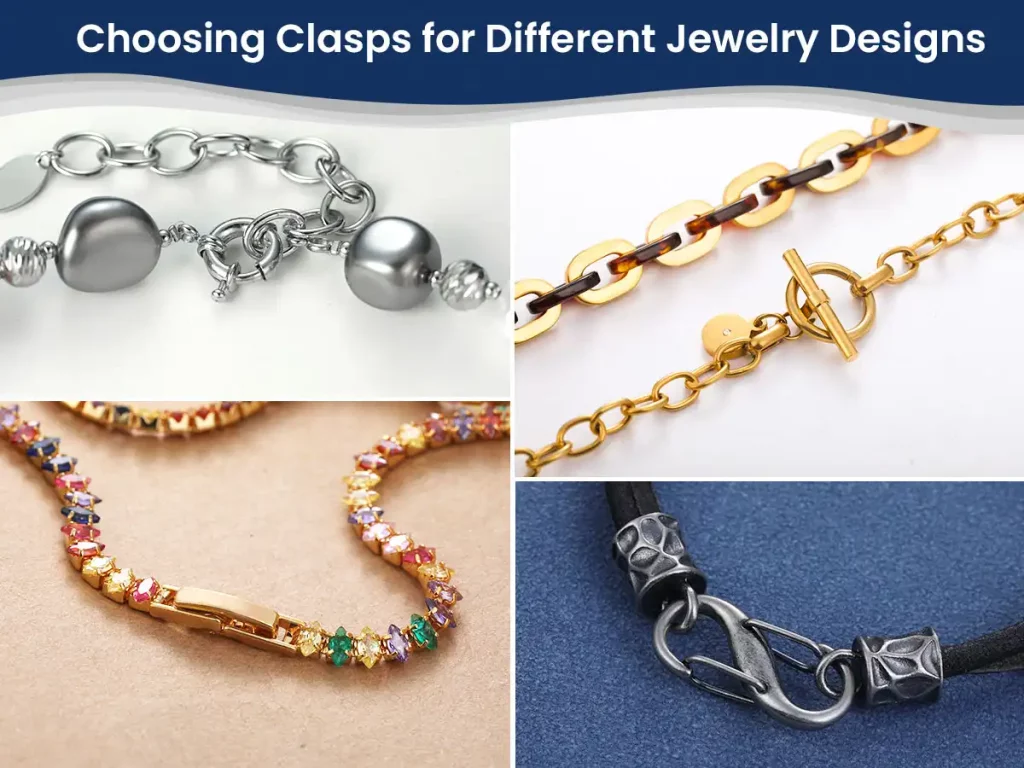
The lobster clasp is a common choice for both necklaces and bracelets. Press the small lever to open the hook, then release it to close.
The size of the clasp affects both the look and usability of the finished piece. A small lobster clasp blends in nicely with a delicate chain, although it may be harder to fasten. For a heavier bracelet, a larger clasp is often easier to handle and better suited to the overall design.
When choosing a lobster clasp, make sure the opening is wide enough for the connecting ring to pass through easily. The ring should move freely without slipping out of place. If you’re designing a bracelet, try fastening it around the wrist to see how easy it is to use.
2. Spring Ring Clasp
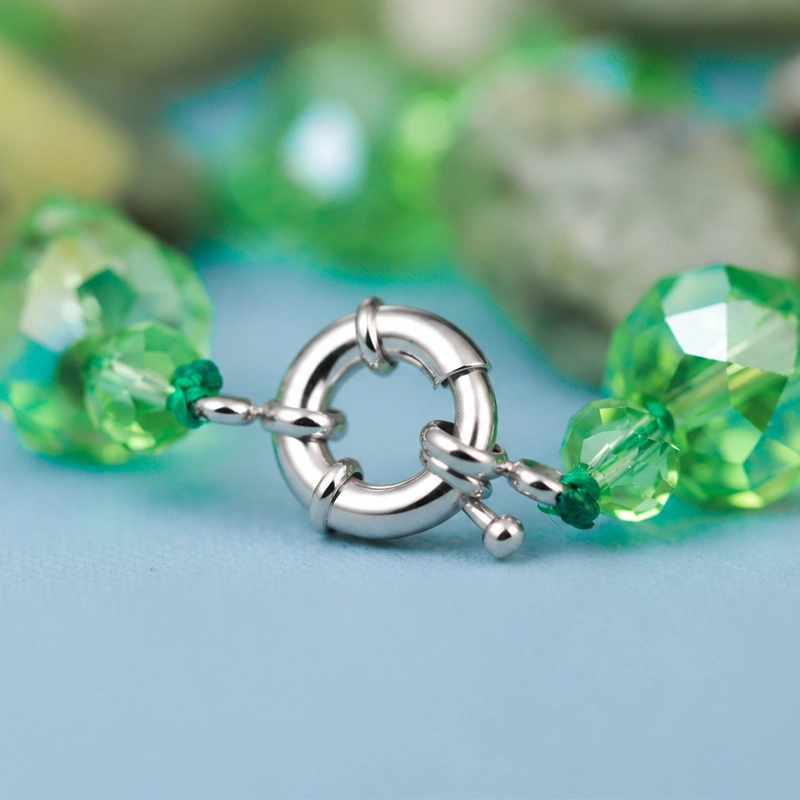
A spring ring clasp is circular, with a small lever built into its side. Pulling the lever retracts a pin and opens the ring. Release it, and the spring mechanism closes the opening.
Because of its compact size, this clasp is often used on fine necklaces and lightweight bracelets where a less noticeable closure is preferred. However, the small lever can be tricky to operate, especially for wearers who have difficulty handling small fasteners.
If you’re considering a spring ring clasp for a new collection, pay attention to the size of the connecting ring. A ring that’s too thick may not fit through the opening easily, making the jewelry harder to fasten.
3. Toggle Clasp
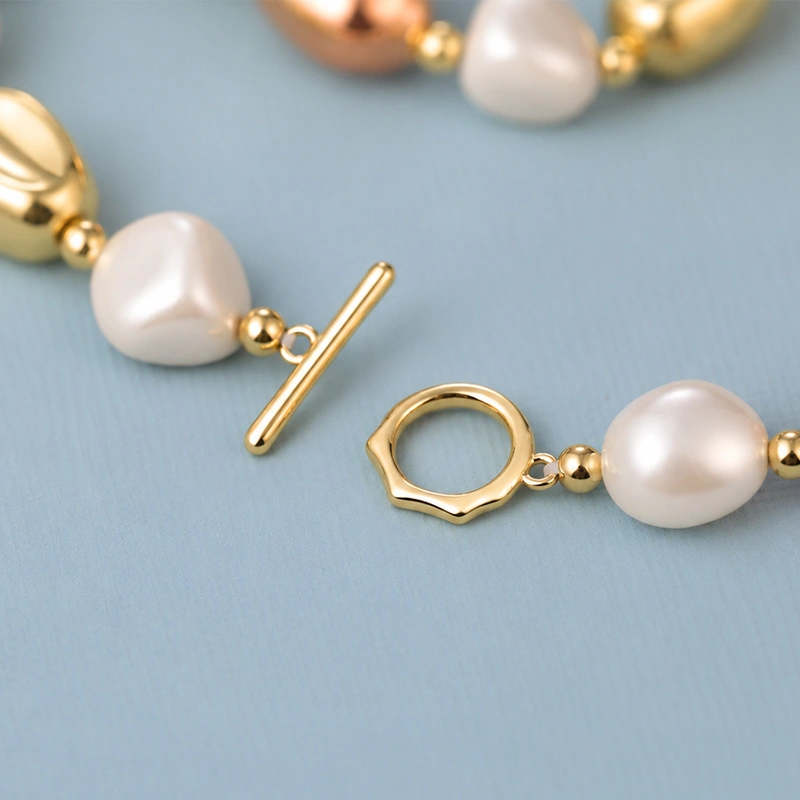
A toggle clasp has two parts: a straight bar and a circular ring. To fasten it, pass the bar through the ring and turn it sideways so it sits across the opening.
Unlike smaller clasps that are designed to stay out of sight, toggle clasps are often meant to be seen. They can add a decorative touch to statement necklaces and bracelets, particularly when the bar and ring are designed to complement the rest of the jewelry.
The fit between the bar and ring is important. The bar needs to pass through the ring easily but should be long enough to stay in place once turned. Try the clasp on the finished piece and see how it sits when worn. A heavy design or a loose-fitting toggle may cause the bar to shift during movement.
4. Box Clasp
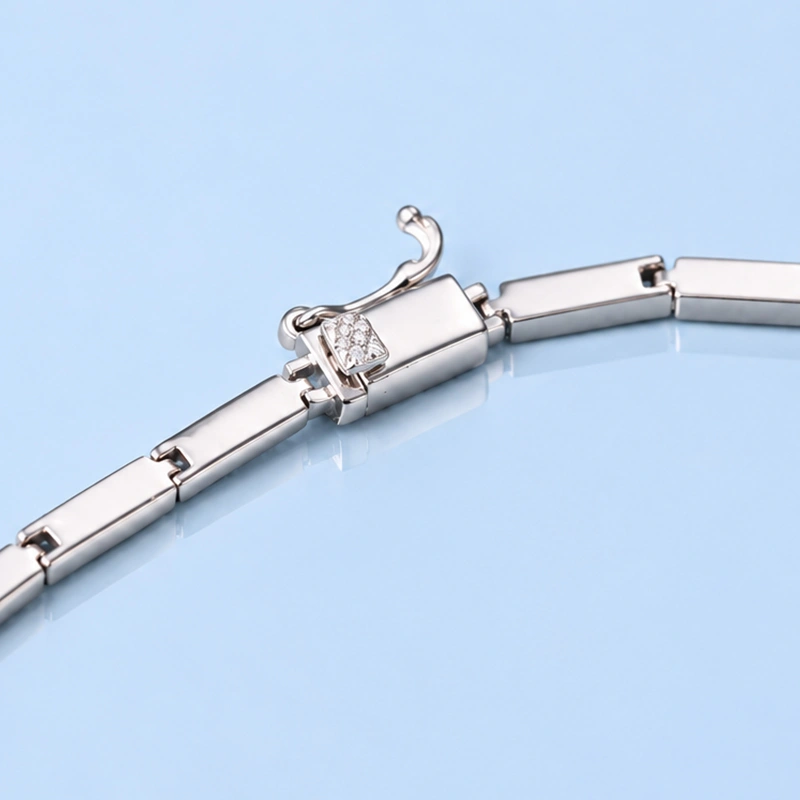
A box clasp works by sliding a small metal tab into a hollow, box-shaped receiver. The tab locks into place when inserted, and some designs have an additional safety catch to help keep the clasp closed.
Its enclosed design gives the jewelry a neat, finished look. Box clasps are commonly used on bracelets and necklaces, including multi-strand pieces where several strands need to connect at one point.
For multi-strand jewelry, pay attention to the number and spacing of the attachment points. Each strand needs to connect in the right position without crossing or pulling against the others. When reviewing a sample, try opening and closing the clasp several times to make sure the tab fits smoothly and the safety catch works properly.
5. Magnetic Clasp
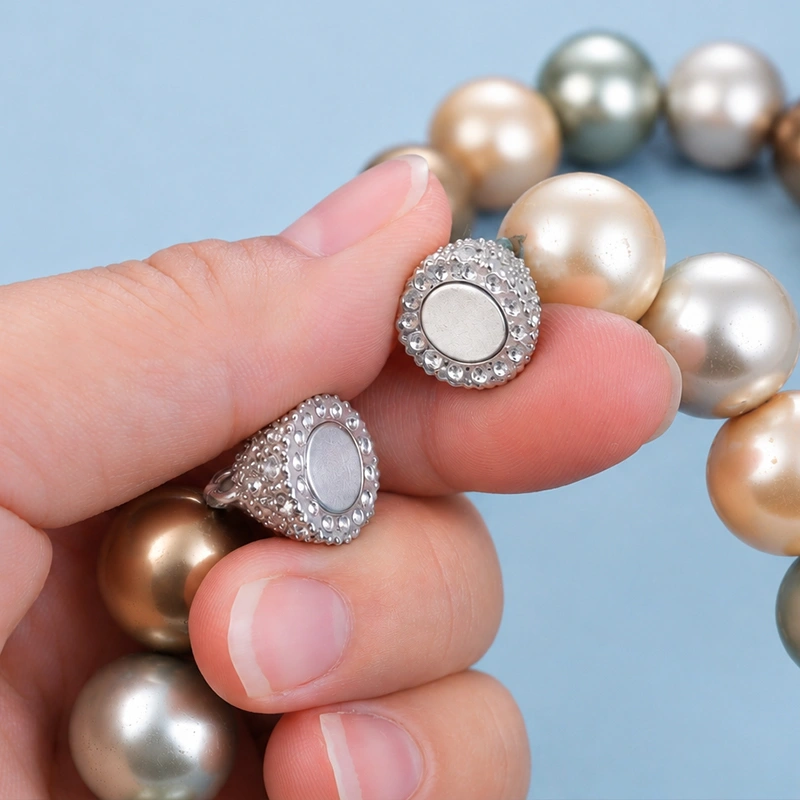
magnetic clasp has two ends containing magnets that attract each other when brought together. Depending on the design, the ends can be shaped like beads, tubes, or other decorative components.
One of the main reasons to use a magnetic clasp is convenience. It can make necklaces and bracelets easier to put on and take off, particularly when a small mechanical clasp would be difficult to handle. Some designs are also made specifically for cord-based jewelry.
However, magnetic clasps aren’t suitable for every piece. The magnetic connection may not provide enough security for a heavy bracelet or valuable necklace, especially if the jewelry is likely to be pulled or caught on something. Depending on the design, an additional safety mechanism may be worth considering. Discuss the magnet strength, size, and attachment method with your manufacturer before finalizing the clasp.
6. Fishhook Clasp
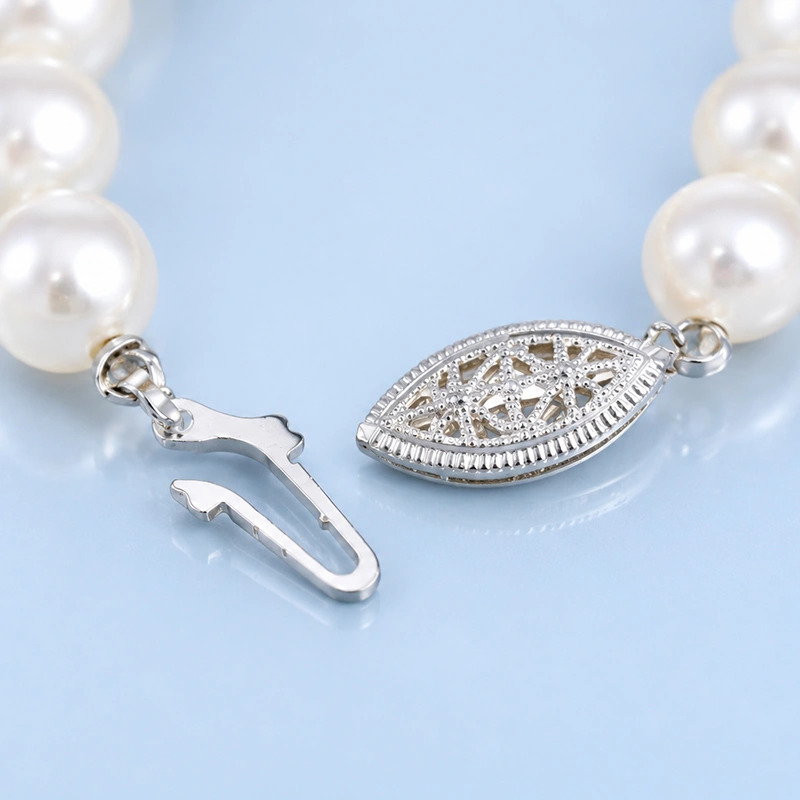
A fishhook clasp consists of a curved metal hook that fits inside a decorative outer casing. When fastened, the enclosure covers the hook, giving the closure a more finished appearance.
You’ll often see this style on pearl necklaces. Its decorative shape can complement the pearls without making the closure look like a separate hardware component. Some designs can also be used on bracelets.
For pearl jewelry, pay close attention to how the clasp attaches to the strand. The size and finish should suit the pearls, and the connection should look neat alongside the rest of the necklace. If the piece is hand-strung, the end construction and attachment method also need to be considered.
7. Hook-and-Eye Clasp
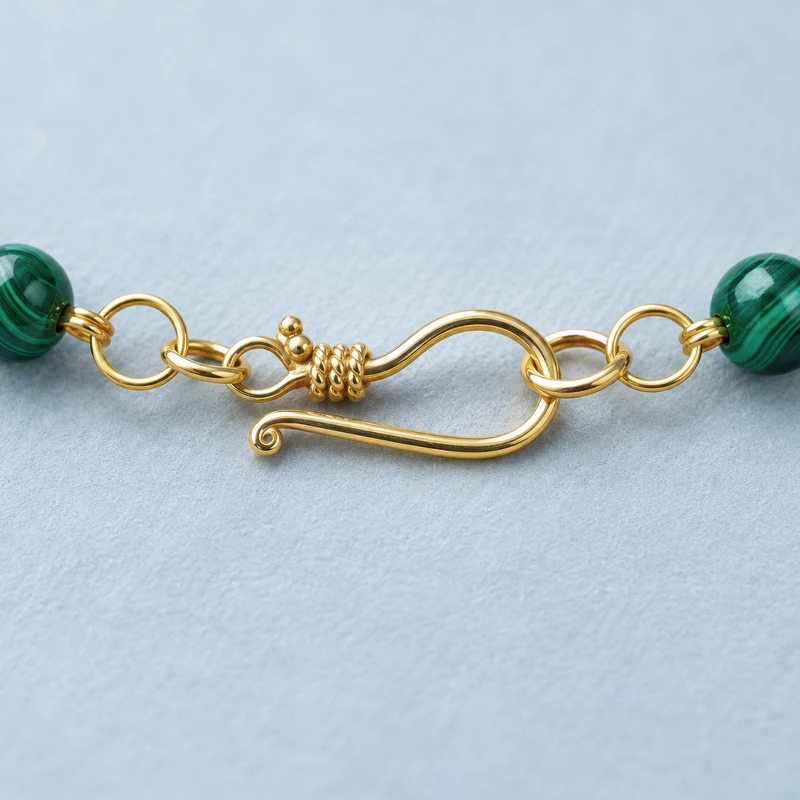
A hook-and-eye clasp has a hook on one end and a loop on the other. The hook fits into the loop to hold the two ends of the jewelry together.
Both parts can be shaped in different ways, which makes this clasp a good option for designs where the closure is meant to be visible. It can be used on necklaces and bracelets, particularly when a simple, decorative fastening suits the style.
The size of the hook and loop affects how securely they fit together. If the loop is too small, fastening can become awkward. If it’s too large, the hook may come loose more easily. Make sure the two parts fit properly when the jewelry is worn, not just when they’re connected by hand.
8. Barrel Clasp
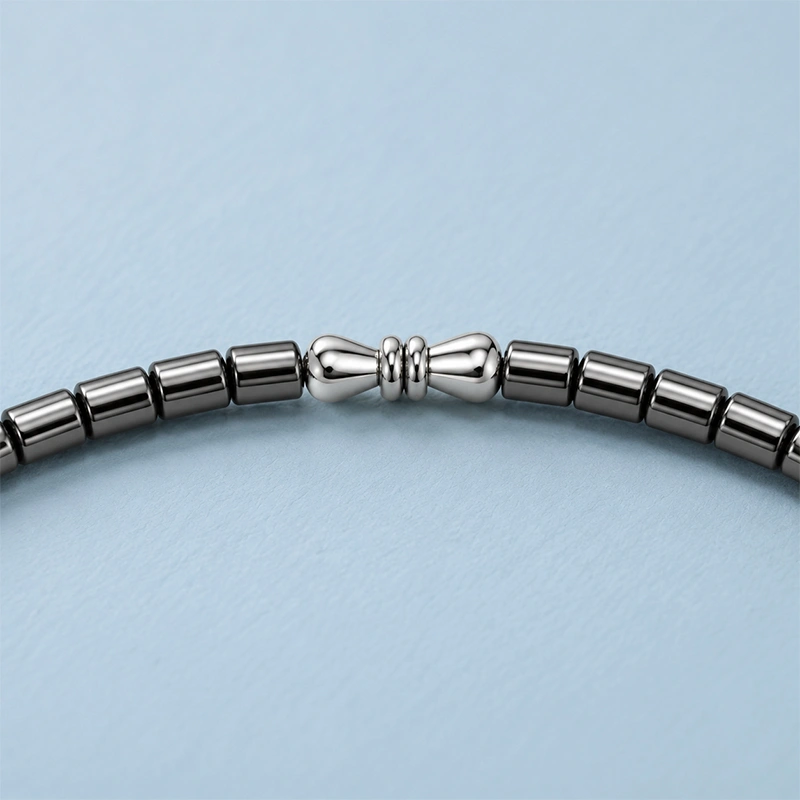
A barrel clasp forms a rounded shape when closed. Depending on the design, the two ends may screw together or fit into each other through an interlocking mechanism.
Its rounded shape makes it a suitable option for some necklaces and bracelets, particularly when a compact closure is preferred. Some barrel clasps blend into the jewelry, while others are more noticeable.
Barrel clasps come in different designs, so the closing mechanism can vary. Before choosing one, make sure you understand how the two ends connect and whether the wearer can fasten and release them comfortably. The way the clasp attaches to the chain or other components also needs to match the jewelry’s construction.
9. Fold-Over Clasp
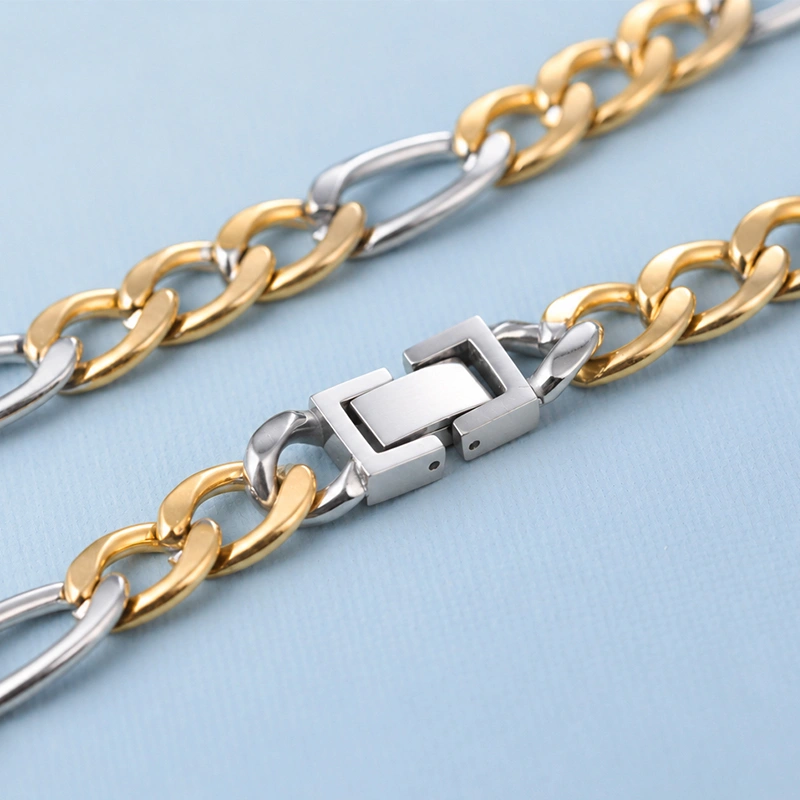
A fold-over clasp uses a hinged metal section that folds over to connect the two ends. Some versions also have an additional safety catch.
This style is commonly used on bracelets and watch-style jewelry. Its flat, structured shape works particularly well with wider bracelets and designs that have a more defined profile.
When choosing a fold-over clasp, compare its width and thickness with the bracelet. A bulky clasp may look out of place on a slim bracelet, while one that’s too small may not complement a wider design. It’s also worth trying the hinge on a finished sample to see how smoothly it opens and closes and whether it feels comfortable against the wrist.
10. Slide and Adjustable Clasps
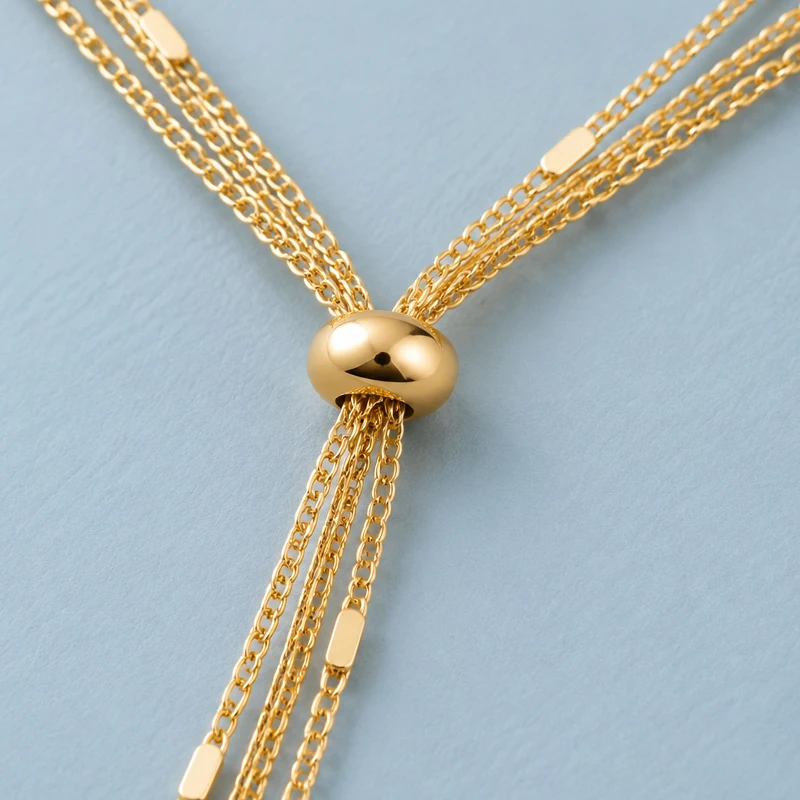
Slide and adjustable clasps come in different designs. Some use multiple channels to connect the strands of a multi-strand necklace or bracelet. Others allow a chain or cord to slide through the clasp so the wearer can adjust the jewelry’s length.
For multi-strand pieces, the number and spacing of the channels should match the strand arrangement. If they’re not positioned correctly, the strands may cross, bunch together, or sit unevenly.
Adjustable clasps work differently. They need to slide along the chain or cord while holding the jewelry at the chosen length. Before selecting one, make sure the mechanism is compatible with the thickness and material of the chain or cord.
Choose a Clasp by Jewelry Type
Different jewelry designs call for different types of clasps. A delicate chain necklace, a pearl strand, and a multi-strand bracelet all have different needs. The clasp should suit the way the piece is made, how it will be worn, and how the finished design looks.
| Jewelry Design | What to Consider | Clasp Styles to Explore |
|---|---|---|
| Fine-chain necklace | Choose a clasp that doesn't look oversized next to the chain. Make sure the connecting ring fits through the opening easily. | Lobster or spring ring |
| Layered or statement necklace | If the clasp will be visible, choose one that complements the necklace. Its position should also work with the pendant and other decorative details. | Toggle or decorative clasp |
| Bracelet | Think about how easily the wearer can fasten it with one hand. The clasp should also sit comfortably against the wrist. | Lobster, toggle, or fold-over |
| Multi-strand bracelet | Make sure there are enough attachment points for all strands, with suitable spacing to keep them aligned without pulling against each other. | Multi-strand box clasp or slide clasp |
| Cord or leather design | Check the cord or leather thickness and how the clasp attaches to it. The connection needs to hold securely without damaging the material. | Compatible magnetic or mechanical end clasp |
For example, a small lobster clasp may work well on a delicate necklace, but it may be less convenient on a bracelet that needs to be fastened with one hand. A pearl necklace may look better with a decorative fishhook clasp, while a multi-strand bracelet needs a closure that can accommodate all its strands.
The final choice also depends on the clasp’s size, the jewelry’s construction, and the materials used. These details are worth checking before moving on to sampling.
What to Check Before Approving a Clasp
A clasp may look right on its own, but that doesn’t always mean it will work with the finished jewelry. Its size, attachment method, and opening mechanism all need to suit the design. Before production begins, there are a few details worth discussing with your manufacturer.
- Jewelry weight and construction: Start with the type of jewelry you’re making and its approximate finished weight. Is it a fine chain necklace, a pearl strand, a multi-strand bracelet, or a cord design? The construction and weight will help determine what size and type of clasp is suitable.
- Dimensions and proportions: Check the clasp’s length, width, and thickness against the other components. A clasp that looks fine on its own may appear too bulky once attached to a delicate chain. Its size should also leave enough room for the connecting rings and other attachment parts.
- Attachment method: Think about how the clasp will connect to the jewelry. Depending on the design, this may involve jump rings, end caps, chain links, soldering, or cord fittings. The connection method needs to work with the chain, cord, or other materials used in the piece.
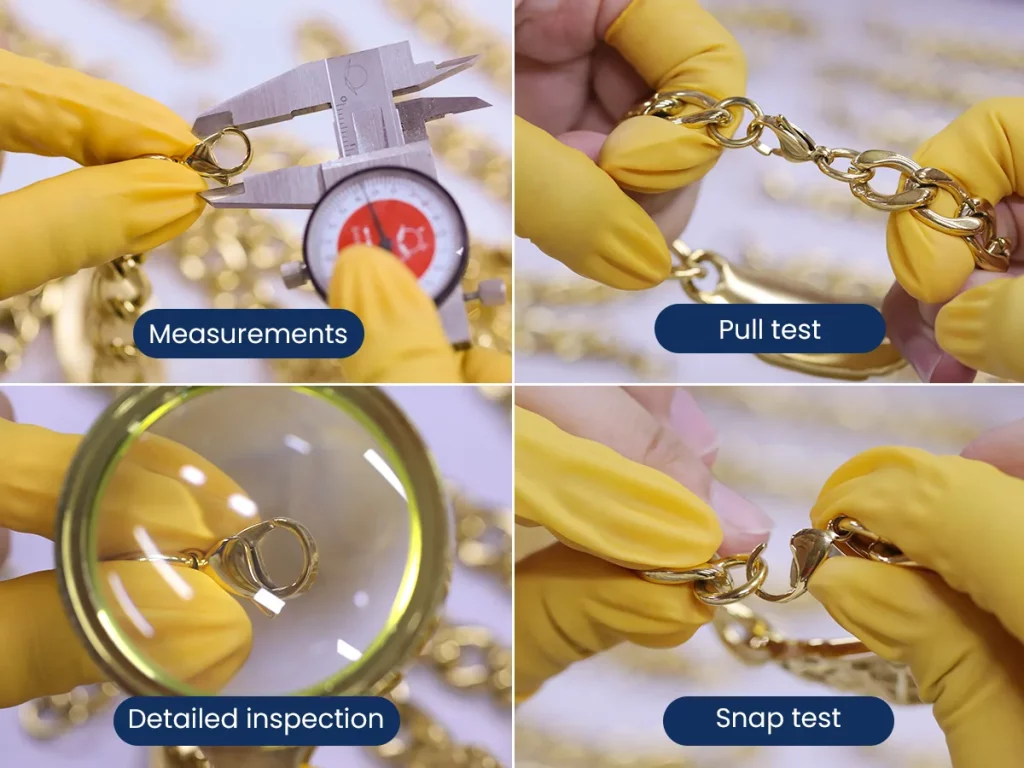
- Opening and closing mechanism: Try the clasp several times on the sample. Make sure the lever, hinge, screw, magnet, or locking tab moves properly and that the two ends connect without difficulty. Also check whether the wearer can fasten and release it comfortably.
- Material and surface finish: The clasp should match the other metal components in both material and appearance. Confirm the base metal, plating, and finish with your manufacturer. If your design has specific skin-contact or material requirements, make sure these are included in the product specifications.
- Custom shape and branding: If you want to add a logo, engraving, or a custom clasp shape, discuss the design with your manufacturer early on. The available surface area and manufacturing method will affect how much detail can be included. A logo that looks clear on screen may need simplifying to work on a small clasp.
- Sample approval: Once the clasp has been attached to the finished jewelry sample, check how everything works together. Try opening and closing it several times, inspect the connection points, and see how it looks when worn. Make any necessary adjustments before approving bulk production.
If you’re planning a custom jewelry collection, prepare a reference image or sketch along with the key dimensions, preferred materials and finishes, and estimated order quantity. These details will help your manufacturer understand the design and assess what is needed to develop the product.
HaoSen can support jewelry development from design and CAD through sampling, material and finish selection, production, and quality checks. If you’re looking to develop your own jewelry collection, visit the HaoSen wholesale page or contact the team to discuss your requirements.
FAQS
What is the clasp on a necklace called?
It’s usually called a necklace clasp or jewelry clasp. Common types include lobster, spring ring, toggle, and magnetic clasps.
Which jewelry clasp is the most secure?
There isn’t one clasp that’s best for every design. Security depends on the clasp mechanism, how it attaches to the jewelry, and the weight of the finished piece. Some box clasps also have a safety catch for extra security.
Which jewelry clasp is easiest to fasten?
Toggle and magnetic clasps are generally easier to handle because they don’t require operating a small lever. Spring ring clasps, especially smaller ones, can be more difficult to open and close.
Can a jewelry clasp be customized with a brand logo?
Yes. Some clasps can be customized with an engraved logo or a custom shape. What can be customized will depend on the clasp design and the space available for engraving. You can share your logo artwork or design reference with the manufacturer to discuss the options.
What information should I provide when requesting a custom jewelry clasp?
Start with the type of jewelry you’re designing and provide a sketch or reference image, preferred clasp style, dimensions, materials, surface finish, and estimated order quantity. If the clasp needs to fit an existing chain or bracelet, include its measurements or a physical sample. With these details, the manufacturer can review your design and advise on the next steps for sampling.
Author

Ertian Jiang (Jasper) is the founder of Haosen Metal Jewelry. Since the age of 26, he has combined deep roots in traditional craftsmanship with a sharp vision for the market to build the foundation of the company’s excellence.
Ertian Jiang started on the ground floor as a craftsman, specializing in semi-precious stones (agate, mother of pearl, tiger’s eye) and manual inlaying—perfecting how to fit natural stones into metal bases without gaps or glue failure. He also worked on the front lines of sales, speaking face-to-face with buyers and listening to their frustrations about fallen stones and fading colors.