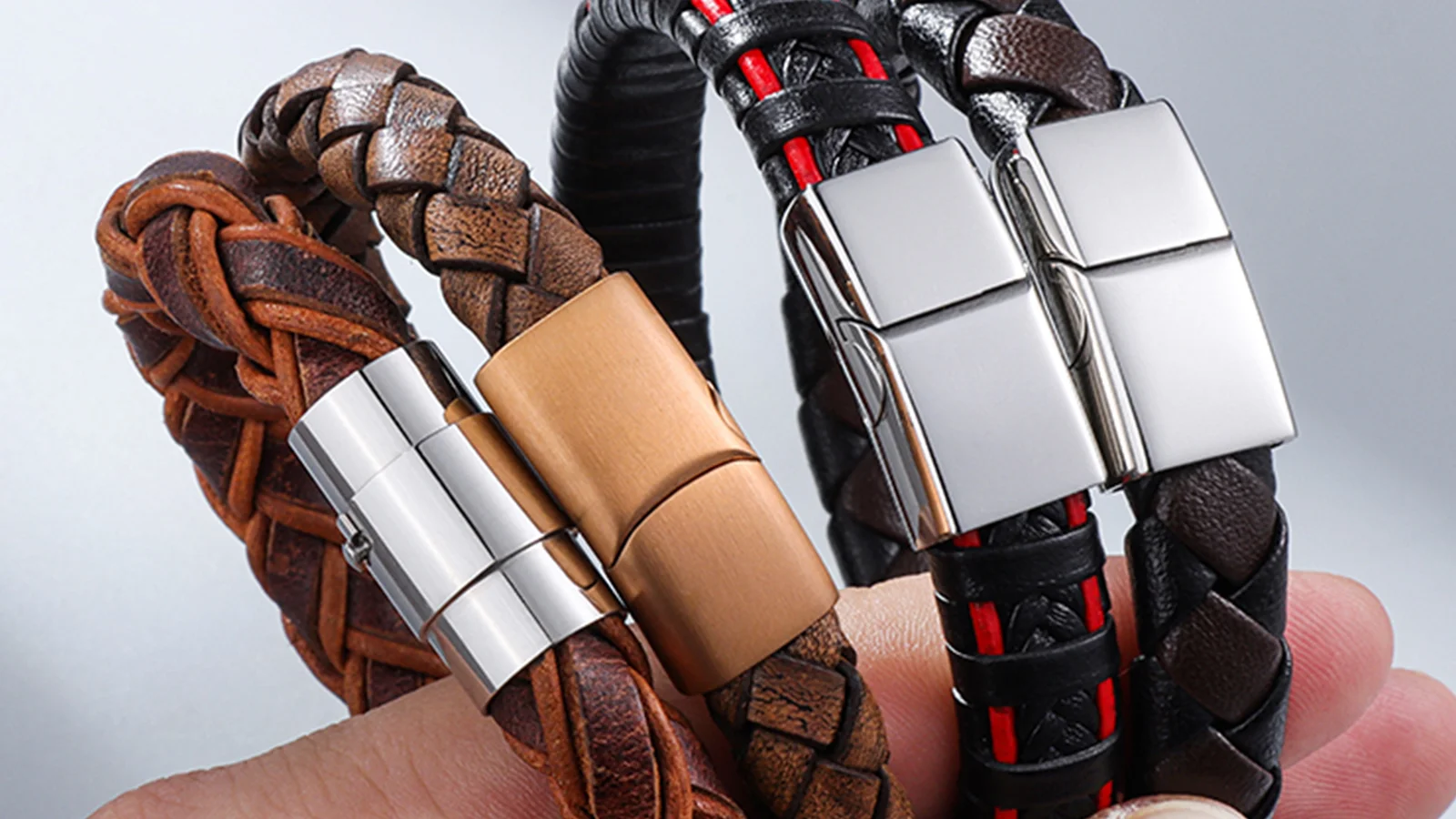

When Alex, the accessories buyer for HALO Studio, a London-based contemporary clothing brand, first reached out to us, he sent a brief that was wonderfully simple yet profoundly challenging:
Why Are Apparel Brands Choosing Material-First Bracelets Over Traditional Jewelry?
HALO Studio understood something inherent about the modern consumer: for their menswear line and their outdoor-inspired casual wear, a shiny gold-toned chain was a discordant note. Their customer wasn’t looking for a traditional “jewelry” piece; they wanted an organic extension of their aesthetic. A bracelet that feels as tactile as a well-worn leather jacket, or as light and functional as a climbing rope.
This mirrors a shift we’ve seen across markets—from the US West Coast to European high streets. Brands are allocating budgets not just for gold and silver, but for materials that speak a different language: durability, flexibility, and touch. Our partnership with HALO Studio became a living case study in how to make those cross-material decisions.
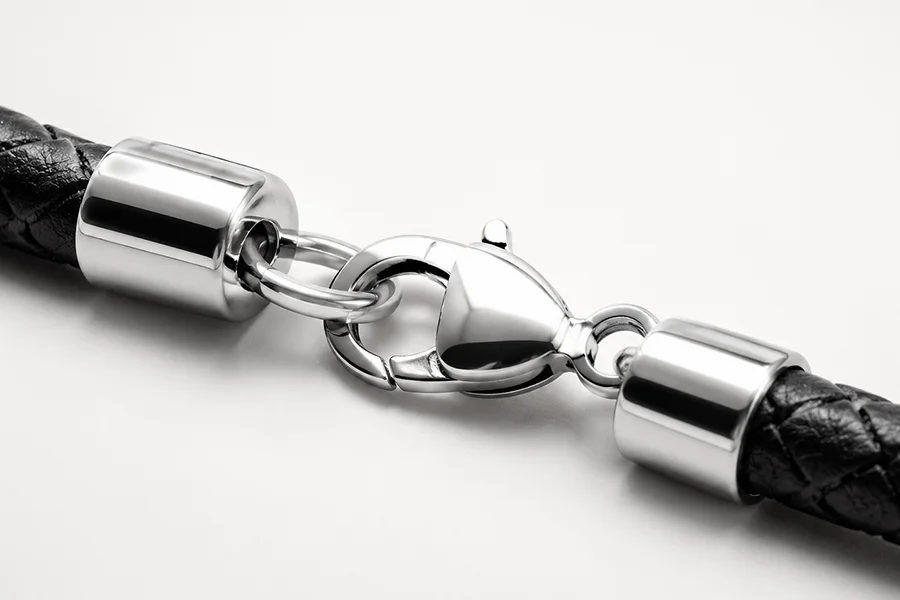
How Does 316L Stainless Steel Anchor a Soft-Touch Bracelet Collection?
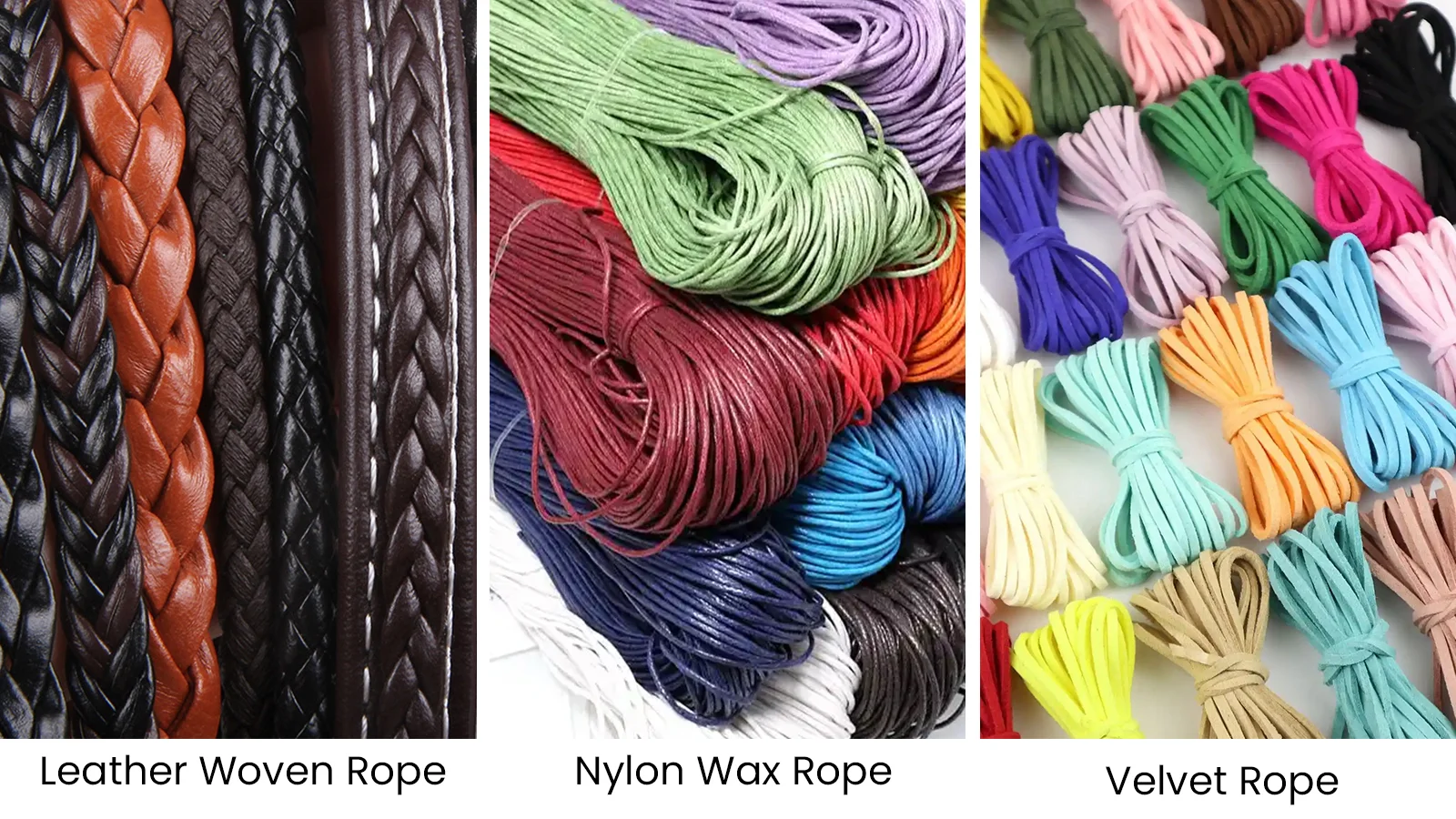
What Non-Metal Materials Define a Unique Bracelet Collection?
How Do Compliance and Connectivity Secure Jewelry for Global Markets?
How Do Hybrid Designs Boost the Perceived Value of Bracelets?