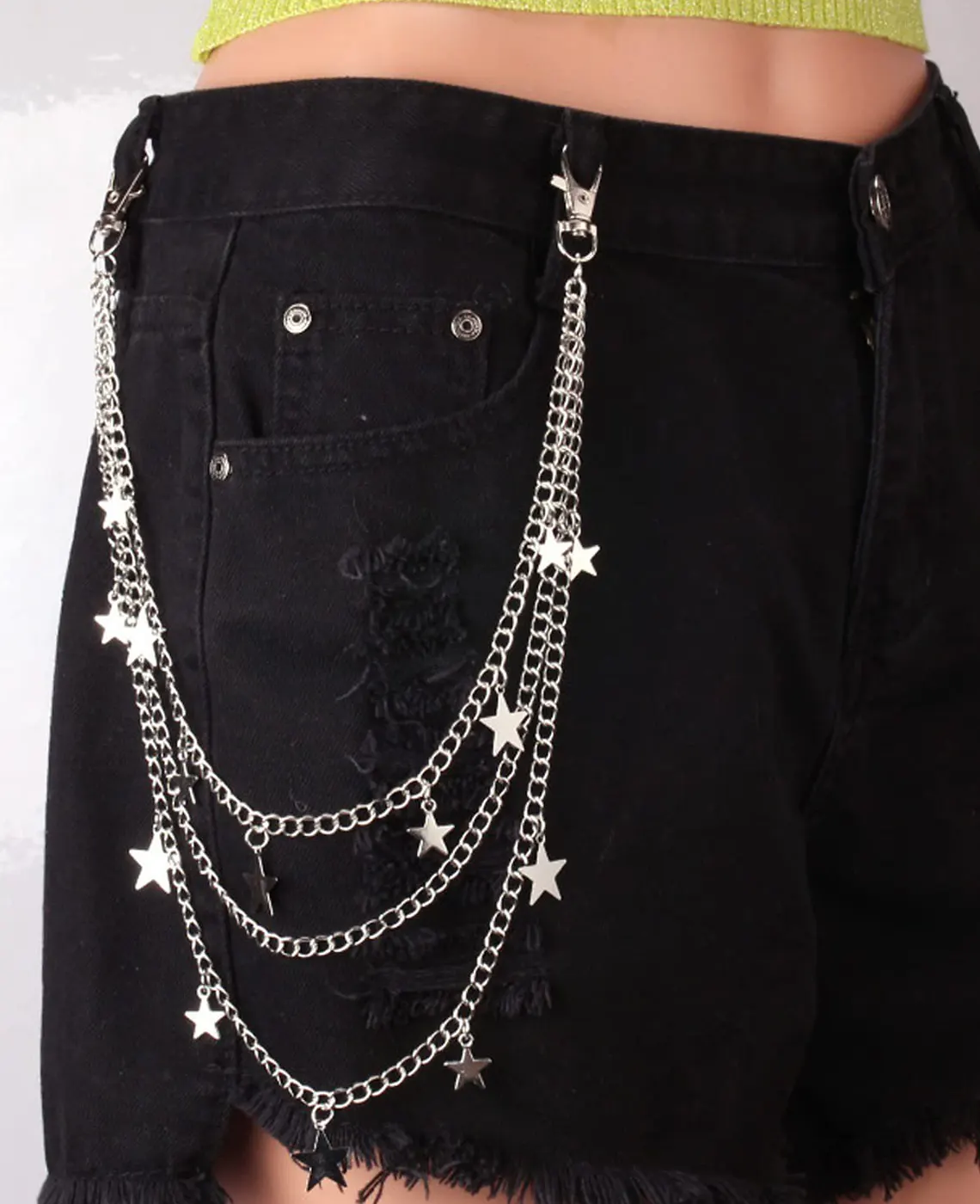

At Haosen Jewelry, we have been frequently asked by B2B jewelry supply customers: “Which metal is best for custom wallet chains?” This is far from a simple question. For both custom wallet chain makers and buyers, jewelry material selection is a primary strategic decision that directly influences:
- Material Cost and Pricing: Material cost is a basic cost factor directly determining your margin of profit and market price during the production of jean in bulk.
- Product Lifespan and Experience: The hardness and oxidation resistance of the material will affect the durability of the product, which in turn affects the experience of the final consumer.
- Brand Value: The texture of the material would speak directly to the brand positioning, whether high-end durable or fashionable and versatile. Below comes the analysis of two mainstream materials to make wallet chains: stainless steel, which is sturdy and high-end, and zinc alloy, which is cost-effective and detailed, to facilitate your choice.
Quick Glance: Stainless Steel vs. Zinc Alloy Comparison
For busy sourcing managers, here is a high-level summary of how these two materials compare in the production of high-quality pant chains.
| Feature | 316L Stainless Steel | Zinc Alloy |
|---|---|---|
Durability |
Extreme; never rusts or tarnishes |
Moderate; may oxidize over time |
Weight |
Heavy, premium feel |
Lightweight, comfortable |
Design Flexibility |
Best for sleek, minimalist styles |
Best for intricate 3D/logo shapes |
Brand Positioning |
High-end, Techwear, Luxury |
Fast Fashion, Trend-driven, Mass Retail |
Why Pant Chain Quality Matters in Fashion Supply Chains
In the fashion accessories industry, trouser chains are a small yet key component that fundamentally impacts brand value and supply chain efficiency. Their material selection directly impacts three major business dimensions:
1. Driving Repeat Purchases and Protecting Brand Reputation
Trouser chains are a detail that consumers are interacting with very often. Bad chains easily turn pale, rust, or break, becoming a serious source of complaints and returns that severely hurt the brand reputation. High-quality chains, in their turn, contribute to the overall value by adding superior durability and texture, playing the most important role in winning customer loyalty and repeat purchases in bulk.
2. Ensuring Supply Chain Stability and Efficiency
Material stability and consistency are very important for jean chain wholesalers. Buying from trustworthy B2B fashion suppliers will significantly lower the defect rates and risks of line stoppages in production, which will facilitate punctual delivery of the finished products and promise a smooth and controllable supply chain cost.
3. Aligning with Sustainable Sourcing Trends and Enhancing Brand Value
Contemporary sourcing practices place a lot of emphasis on sustainable fashion sourcing. The selection of sustainable and recyclable, but also durable, materials (e.g., stainless steel) goes beyond creating a positive impact regarding the environmental footprint, becoming a highly communicative competitive advantage for the company, allowing it to satisfy the market’s increasing need for a transparent and responsible supply chain.
Material Showdown: Stainless Steel vs. Zinc Alloy Jean Chains
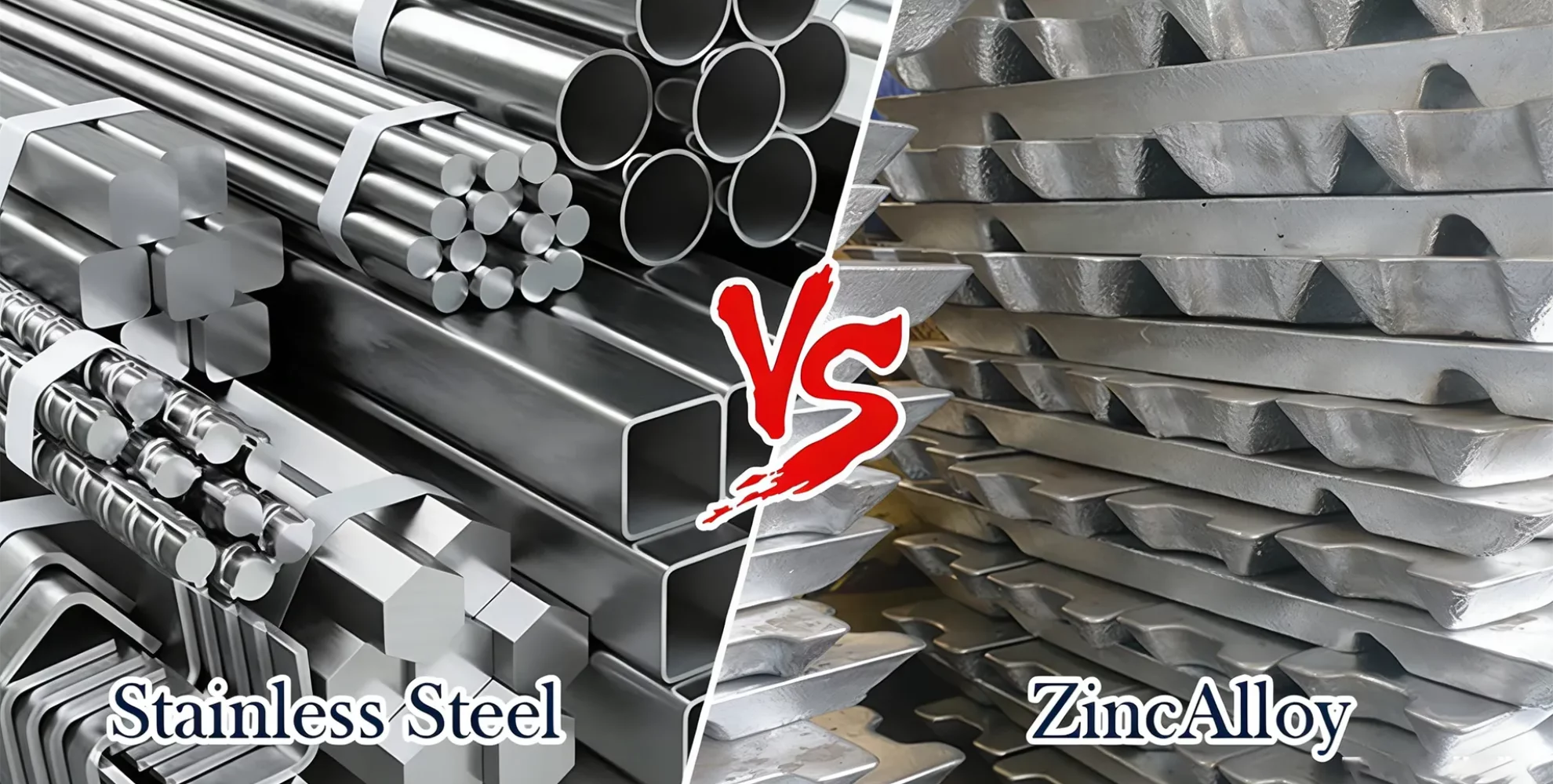
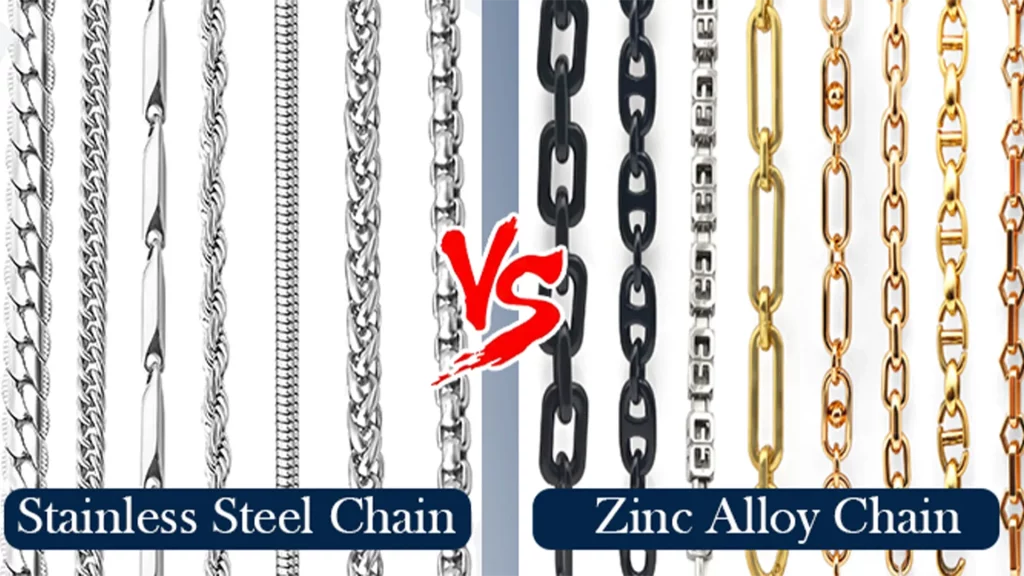
In dealing with wholesale jean chains, the type of material used plays the most important role as far as product functionality as well as performance is considered. Zinc alloy and stainless steel have been found to be the predominant materials used when it comes to making jewelry wholesale items, and it becomes highly essential to understand the basic differences between the two materials. The below-discussed comparative chart clearly highlights the basic differences:
| Characteristics | Stainless Steel Pant Chain | Zinc Alloy Fashion Chain |
|---|---|---|
Main Components |
Iron, Chromium (≥10.5%), Nickel, etc |
Zinc-based, with added aluminum, copper, magnesium, etc. |
Core Texture | Original metallic color, cool, solid, and noticeably heavy. | Relying on electroplating, it can present various fashionable colors such as gold, silver, and bronze. |
Average Weight |
Relatively heavy, substantial feel. |
Relatively light, lighter to wear. |
Durability |
Excellent. Naturally corrosion-resistant, rust-proof, wear-resistant, and with superior color retention. |
Average. Durability depends entirely on the electroplating process; easily damaged by wear or sweat, leading to plating peeling and underlying oxidation. |
Processing and Cost |
Higher processing difficulty and material cost, but longer lifespan. |
Die-casting has high efficiency, lower initial material and processing costs, and is suitable for complex designs. |
Summary and Procurement Insights:
Stainless steel trouser chains are the best option for those who are extreme about strength, quality, texture, and going green because of their long lifespan and non-frequent demand for replacement. They serve as the best hardware to create an iron-strong brand because they require no maintenance.
Zinc alloy fashion chains provide the best answer to the ever-changing trends in the world of fashion. This is the most preferred material for designs that need multiple color production and complex designs because it is cheaper and enables faster production.
When it comes to choosing metal trousers chains, business-to-business customers should balance their decisions according to brand positioning (durable classic vs. fashionable trend), targeting prices, and sustainable commitments.
Stainless Steel (304/316L): The Standard for Premium, Heavy-Duty Chains
Regarding customized wallet chains, the basis for quality products like strong motorcycle chains is made up of 304 and 316L stainless steel. The use of the two materials essentially determines the quality ceiling for the products.
1. Core Material Analysis: The Benchmark for Durability and Safety
Compared to the 304 stainless steel materials, the molybdenum component of the 316L stainless steel gives it better anti-corrosion and toughness capabilities, making the latter more applicable to damp environments like the coastal areas. Their common desirable capabilities of high strength, high oxidation resistance, high rust resistance, and ease of care, with zero allergic reactions, qualify the two materials for use in the preparation of the anti-allergic wallet chains and the anti-tarnish materials.
2. Key Process Enhancement: The Color Revolution of PVD Coating
The robust base color of stainless steel should be matched with the highest-quality surface treatment. The technology of PVD (Physical Vapor Deposition) vacuum plating uses ultra-high-temperature ionization of target materials like titanium and gold, bondering them to the chain at the molecular level. This has a super-hard surface and is highly resistant to chemical changes, thereby securing the longevity of the PVD coating, realizing the maintenance of color retention for a longer period of over 1-2 years, and thereby resolving the disposal issue related to the coloration effect faded by friction.
3. Style and Application Scenarios
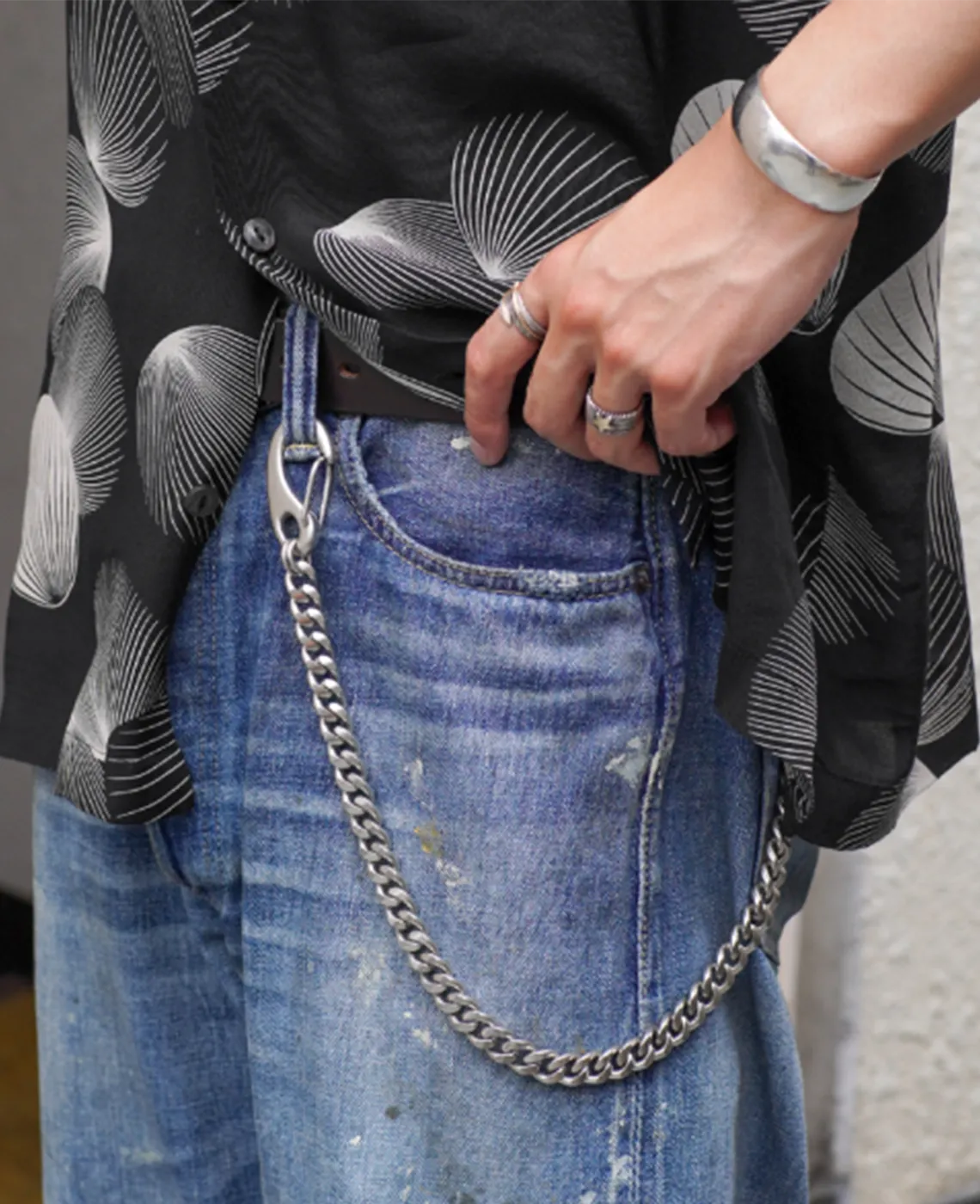
The shine and heavy feel of stainless steel will also match well with types of designs that incorporate texture and the power of metal, like industrial designs, heavy metal designs, and minimal designs. This type of design is also applicable when producing heavy Figaro chains, heavy Cuban links, and heavy motorcycle chains to represent motor culture, perfectly to the needs of B2B businesses that target ultimate durability and classic designs.
Zinc Alloy Casting: The King of Intricate Detail and Custom Shapes
In the case of fashion accessory wholesale customers who focus on design freedom and economical costs, zinc alloy casting plays an important role in achieving intricate designs in jewelry, especially in the design of trousers chains with three-dimensional pendants or irregular shapes.
1. Core Process Analysis: Die Casting Achieves Extreme Detail
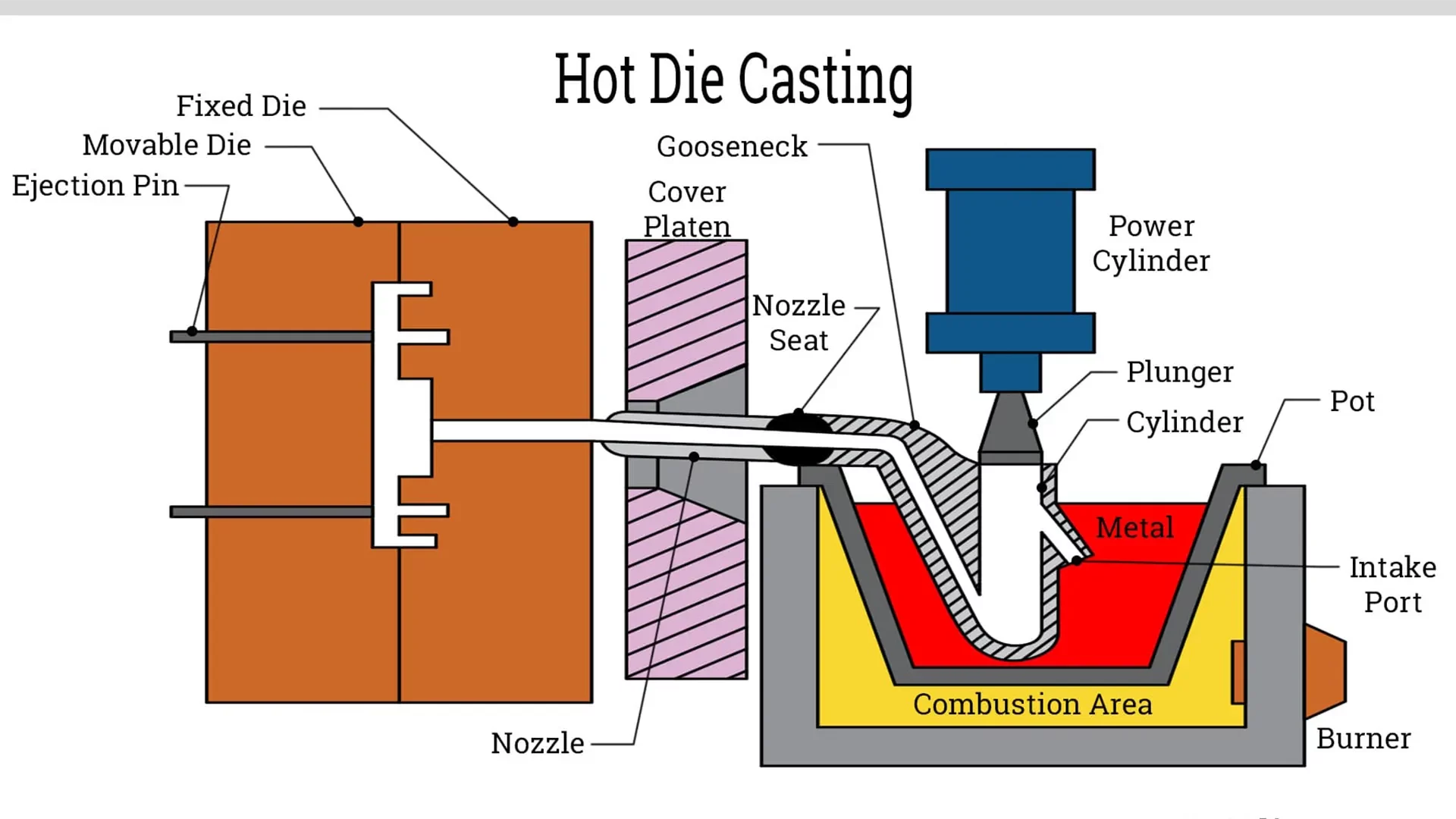
Zinc alloy die casting is a process which takes full advantage of the fluidity of the zinc alloy material when in the molten state. This characteristic enables the material to fill even the tiniest corner of the mold at a very high speed under pressure. This is a suitable process foundation which creates a perfect basis for the production of exquisite custom badge pendants and connectors of the trouser chain.
2. Unparalleled Design Freedom
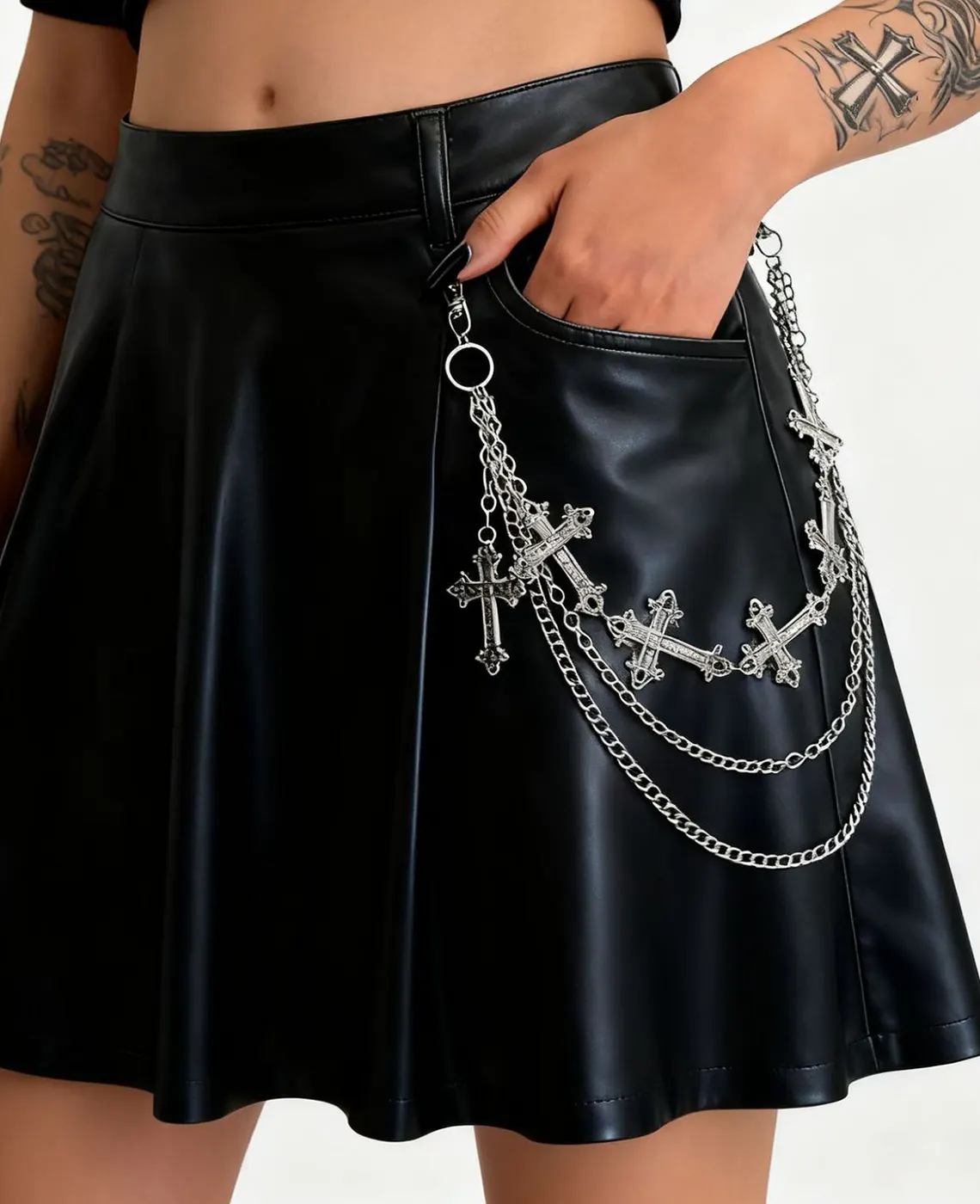
If your trousers chain design contains complex 3D skulls, mythical creatures, flowers, or carabiners that need to move in complicated ways while having irregular shapes, zinc alloy is your material of choice. With zinc alloy, you have unlimited designing opportunities that enable you to create brand logos or cultural symbols that are unmistakably custom-made pendants that will satisfy your needs of differentiation.
3. Significant Cost-Effectiveness for Large-Scale Production
From a perspective of cost-effective manufacturing, the zinc alloy material itself has a competitive price, and the die-castingprocess is quite efficient and suitable for mass production, which, after the development stage in the creation of the mold, leads to a greatly lowered production cost, becoming a highly competitive option in terms of providing a cost-effective product that the fast fashion companies or the wholesaler would look for in reaching the targeted profits in the fashion accessories wholesaling business.
Haosen’s Verdict: Matching Material to Your Brand’s Price Point and Style
From the experiences that Haosen Jewelry has accumulated in the development of custom hardware, it has come to understand that it is not always necessary to choose one material over another. The best private label jewelry offering is one that matches the strategy and budget that you have.
1. Core Strategy: Hybrid Manufacturing Solution
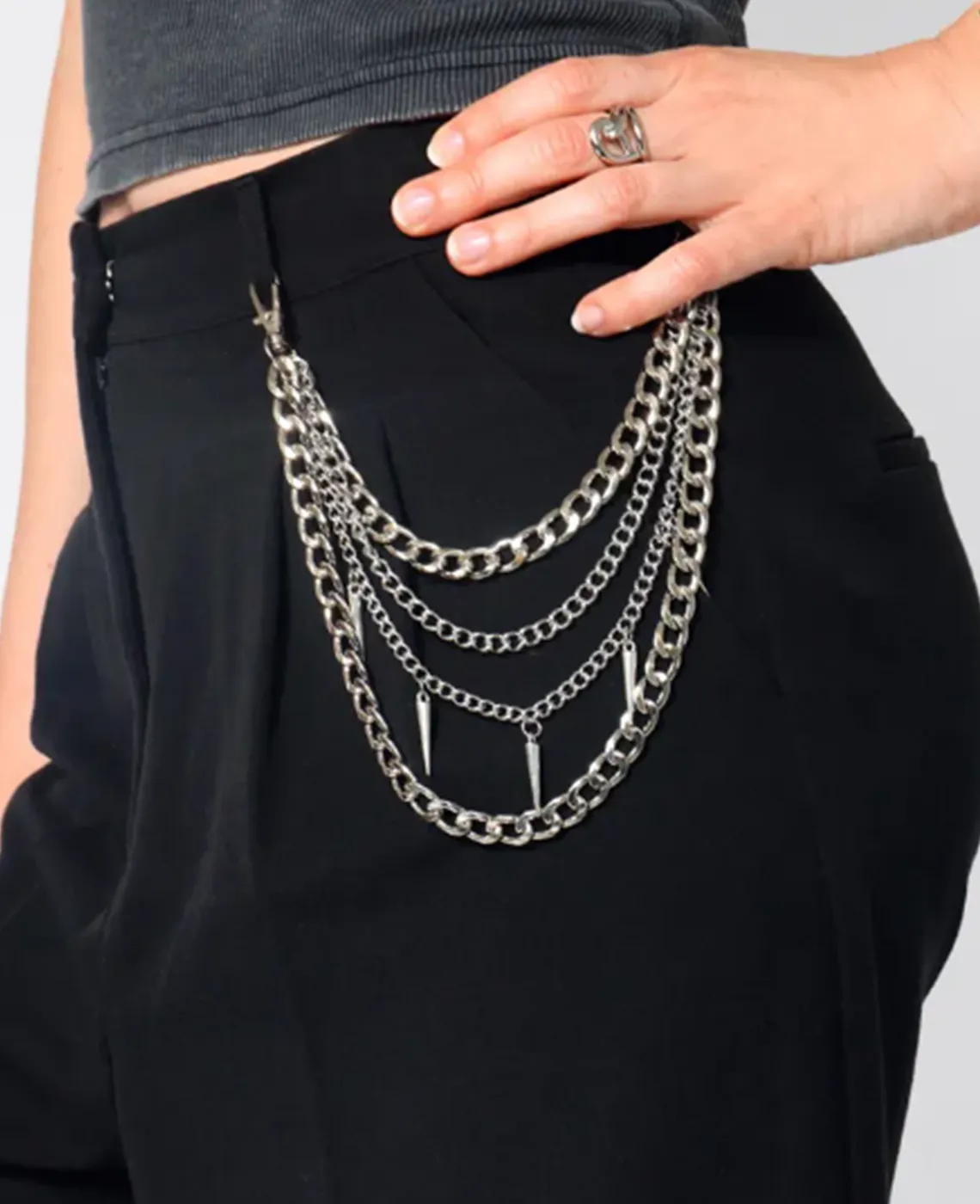
A strategy we always recommend to our clients regarding this is called “hybrid jewelry manufacturing”: the use of steel chains to provide durability and drape to the base pieces and combining these with custom-made zinc alloy clasps and pendants to create intricate logos and 3D designs. This strikes the ultimate balance between product durability and design flexibility and is the hallmark of successful street wear brands.
2. Define Your Brand Positioning Strategy
Your brand positioning strategy directly determines the material direction:
- High-end/Luxury Positioning: For those brands seeking “heirloom” quality, we suggest using 316L stainless steel with PVD vacuum plating. This is because the heavy, color-retaining material is the building block required to support higher prices.
- Fast Fashion/Trend Positioning: If fast fashion is required along with high cost effectiveness, the best material is zinc alloy. This material is effective in producing deep colors and intricate designs at a relatively lower cost.
3. Action Guide: From Design to Mass Production
Before starting your chain customization project, please clarify with our engineers: which parts of the design must be absolutely robust, and which parts are the visual focus requiring extreme detail. A clear brand positioning strategy will help us plan the most efficient hybrid manufacturing or single-material solution for you, ensuring that every penny of your budget is used to enhance the product’s market competitiveness.
FAQs
Ready to Manufacture? Get a Free Material Assessment for Your Next Collection
Your perfect design concept deserves a perfect start. As your reliable Chinese jewelry factory and product development partner, Haosen Jewelry realizes that an accurate start is so important from blueprint to mass production. More than simple production, we provide comprehensive OEM/ODM services and professional support for the whole course.
Now, we invite you to take the first step: send us your design drawings or concept sketches. Haosen’s engineering team will provide you with professional and free material and process evaluation. According to your design complexity, target market quality requirements, and framework budget, the best-matched material combination and production process solution will be analyzed and proposed to guarantee that your creativity perfectly converts into a market-competitive product while keeping costs under control.
In whatever stage you are at in terms of concepts or already have design drawings, you are encouraged to contact us immediately through our website, email, or WhatsApp to request a quote. You are also asked to provide your brand position, intended volume, and intended delivery terms. A designated account manager from Haosen Jewelry will work together with our technical staff to give you a preliminary idea of our customization plan and associated costs within 24 hours.
Do not let practical matters get in the way of your plans regarding your product launch. Contact Haosen Jewelry today, and our expertise will provide your next bestseller with a firm foundation.
Author

Ertian Jiang (Jasper) is the founder of Haosen Metal Jewelry. Since the age of 26, he has combined deep roots in traditional craftsmanship with a sharp vision for the market to build the foundation of the company’s excellence.
Ertian Jiang started on the ground floor as a craftsman, specializing in semi-precious stones (agate, mother of pearl, tiger’s eye) and manual inlaying—perfecting how to fit natural stones into metal bases without gaps or glue failure. He also worked on the front lines of sales, speaking face-to-face with buyers and listening to their frustrations about fallen stones and fading colors.