To find a jewelry manufacturer, first define your material, budget, and order size. Then search B2B marketplaces, trade shows, and referrals. Always pick a direct factory over a trader. Check certs, MOQ, lead time, and samples before you commit. A low-MOQ partner with full test reports is the safest choice for a new brand.
The factory you pick can make or break your brand. A great one protects your quality, price, and launch date. A poor one brings delays, defects, and lost trust. Yet many founders rush this step and pay for it later. This guide shows you how to find a jewelry manufacturer the smart way. You will learn where to search, how to spot a real factory, and what to check before you place an order.
Where Do You Start When Looking for a Factory?
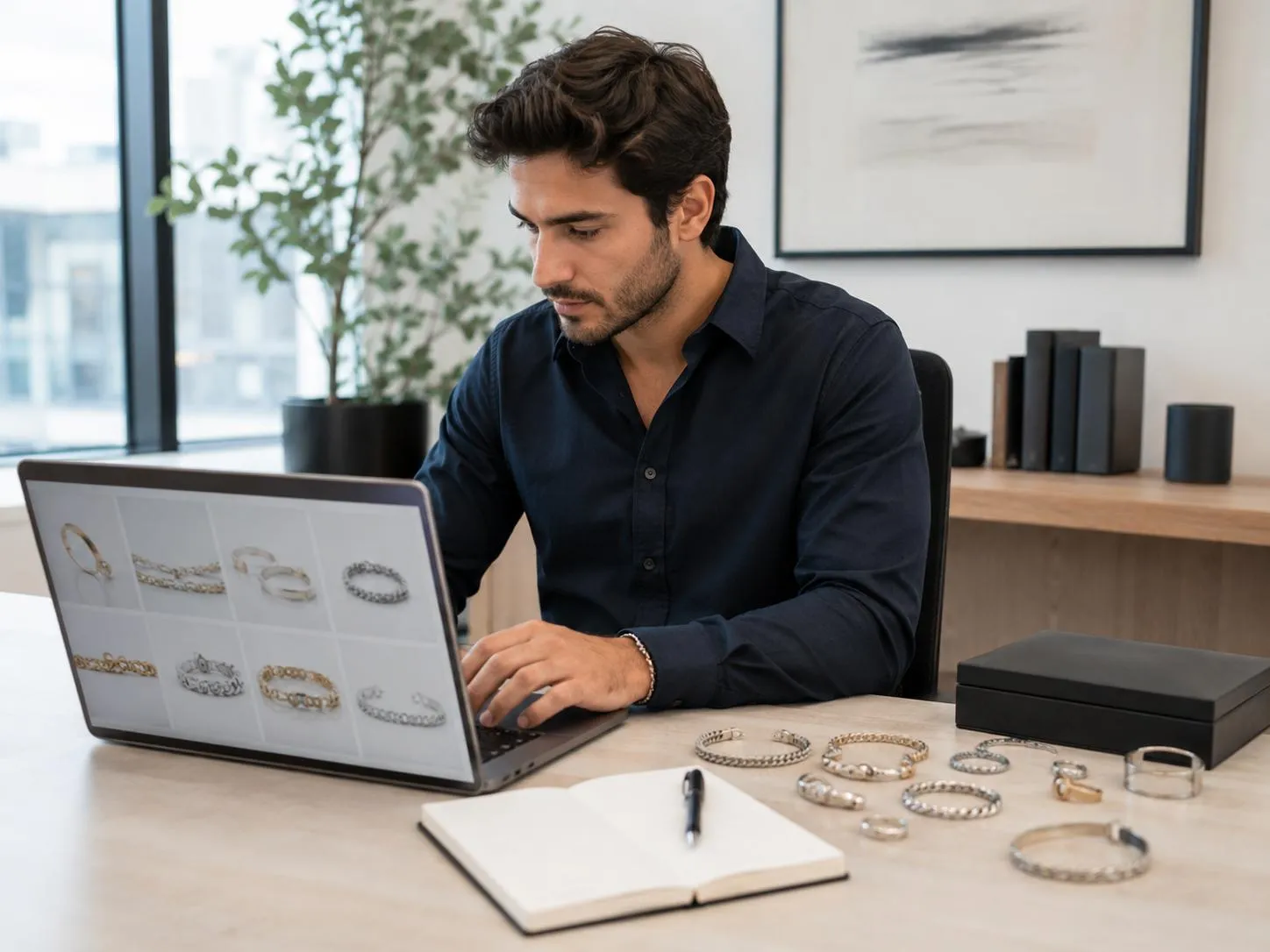
Start with your own plan, not a search bar. Know your material, your budget, and your order size first. Then decide if you need OEM or ODM work. OEM means they make your design. ODM means they help you design it. Clear needs make it far easier to find a jewelry manufacturer that fits your brand.
Where Can You Find Jewelry Manufacturers?
There are a few proven places to search, and each one has pros and cons. Use more than one to widen your options:
- B2B marketplaces: Sites like Alibaba and Made-in-China list many factories.
- Trade shows: Events let you meet makers and see samples in person.
- Google search: Look for a “custom jewelry manufacturer” plus your metal type.
- Referrals: Ask other brands who they trust and why.
- Sourcing agents: They can match you with vetted factories for a fee.
How Do You Tell a Factory From a Trader?
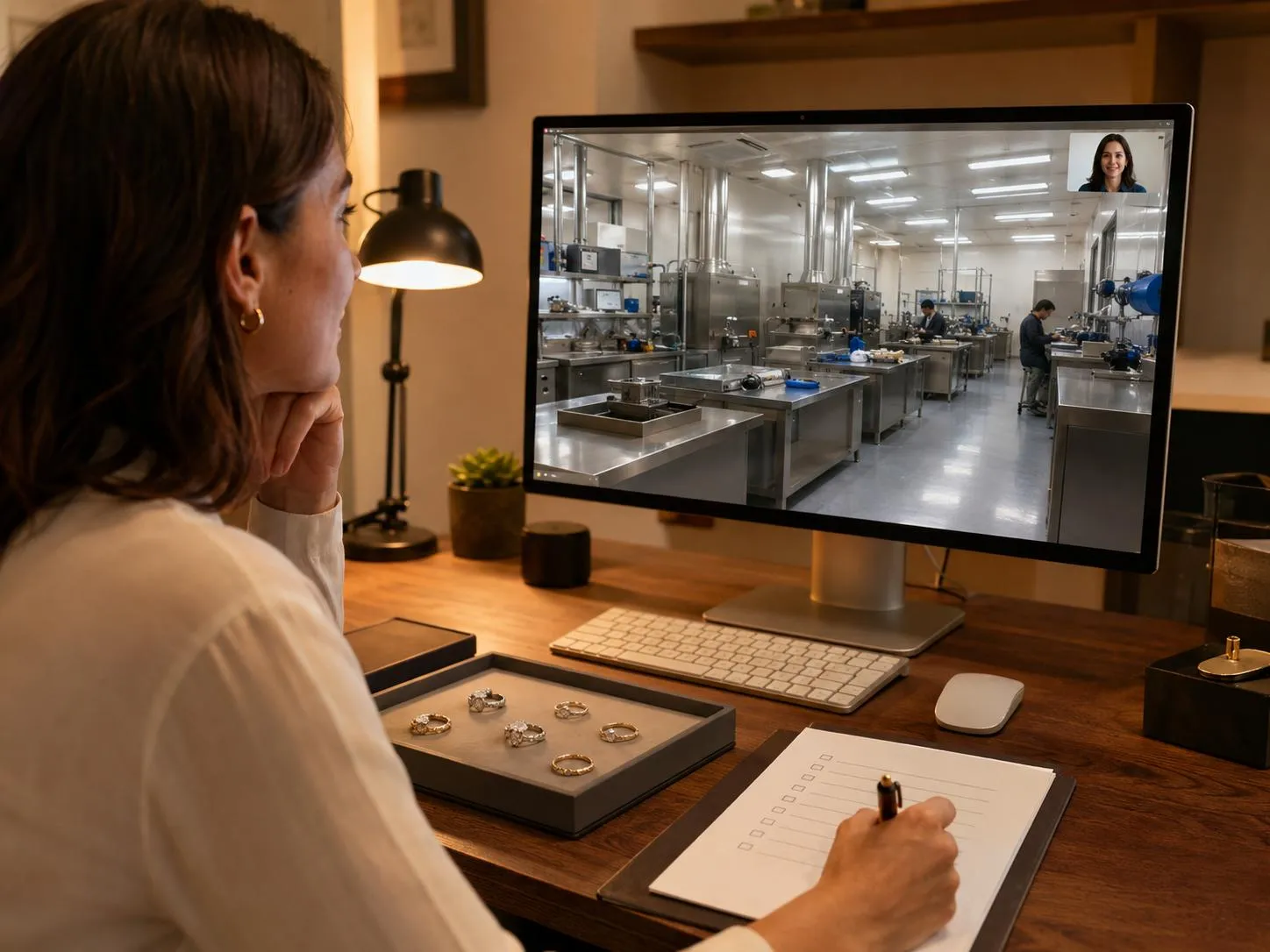
This is the step most brands miss. Many sellers online are traders, not factories. A trader buys from a factory and resells at a markup. A direct factory controls both the work and the price. Ask to see the workshop on a video call. A real custom jewelry supplier will show it with no fuss.
Should You Pick a Local or Overseas Factory?
Both can work, so weigh your goals first. Local factories are close and easy to visit. But they often cost more and ask for higher MOQs. Overseas factories, like those in China, offer lower costs and more scale. Many also hold global certs like SEDEX and SGS. The trick is to vet an overseas factory well, just as you would a local one. Strong proof matters more than the spot on the map.
What to Look for in a Jewelry Manufacturing Partner?
The right jewelry manufacturing partner does more than make products. They protect your quality, your timeline, and your brand. Check these points before you commit:
- Certs and audits: SEDEX, SGS, and ISO show safe, fair work.
- Material grade: Confirm 316L steel, not cheap metal.
- MOQ: A low MOQ jewelry manufacturer lets you test with less risk.
- Lead time: Ask for a clear, written date.
- Samples: Always order a sample before a full run.
- Reports: Ask for REACH and US Prop 65 test results.
What Questions Should You Ask First?
A few sharp questions reveal a lot about a factory. Ask these before you sign anything:
- What is your MOQ and lead time?
- Can you share recent test reports?
- Do you offer both OEM and ODM services?
- Can I see two or three brand references?
- What is your average defect rate?
What Red Flags Should You Avoid?
Some signs mean you should walk away. Watch out for these:
- No certs or test reports on hand
- Very slow or unclear replies
- Prices that seem too good to be true
- No samples before a big order
- Pressure to pay large sums up front
How Much Does It Cost to Work With a Factory?
Cost depends on a few clear factors. Larger orders lower your price per piece. Custom shapes and tooling add to the first bill. Samples and molds may carry a small fee, too. Always ask for a full price breakdown up front. This stops surprise costs later in the deal.
How Long Does the Sourcing Process Take?
Sourcing takes time, so plan ahead. Research and outreach can take a week or two. Samples often add two to three weeks. Then production runs on the factory’s lead time. With Haosen, mass production takes about 25 days. Build this whole timeline into your product launch plan from day one.
Why a Low-MOQ Partner Matters for New Brands?
A high MOQ can drain a new brand’s cash fast. A low moq jewelry manufacturer lets you start small and grow. You can test designs, learn what sells, and reorder fast. This lowers your risk on every launch. It also frees up cash to spend on marketing and growth. Haosen offers a low MOQ of 30 to 120 pieces for this reason.
Why Brands Choose Haosen?
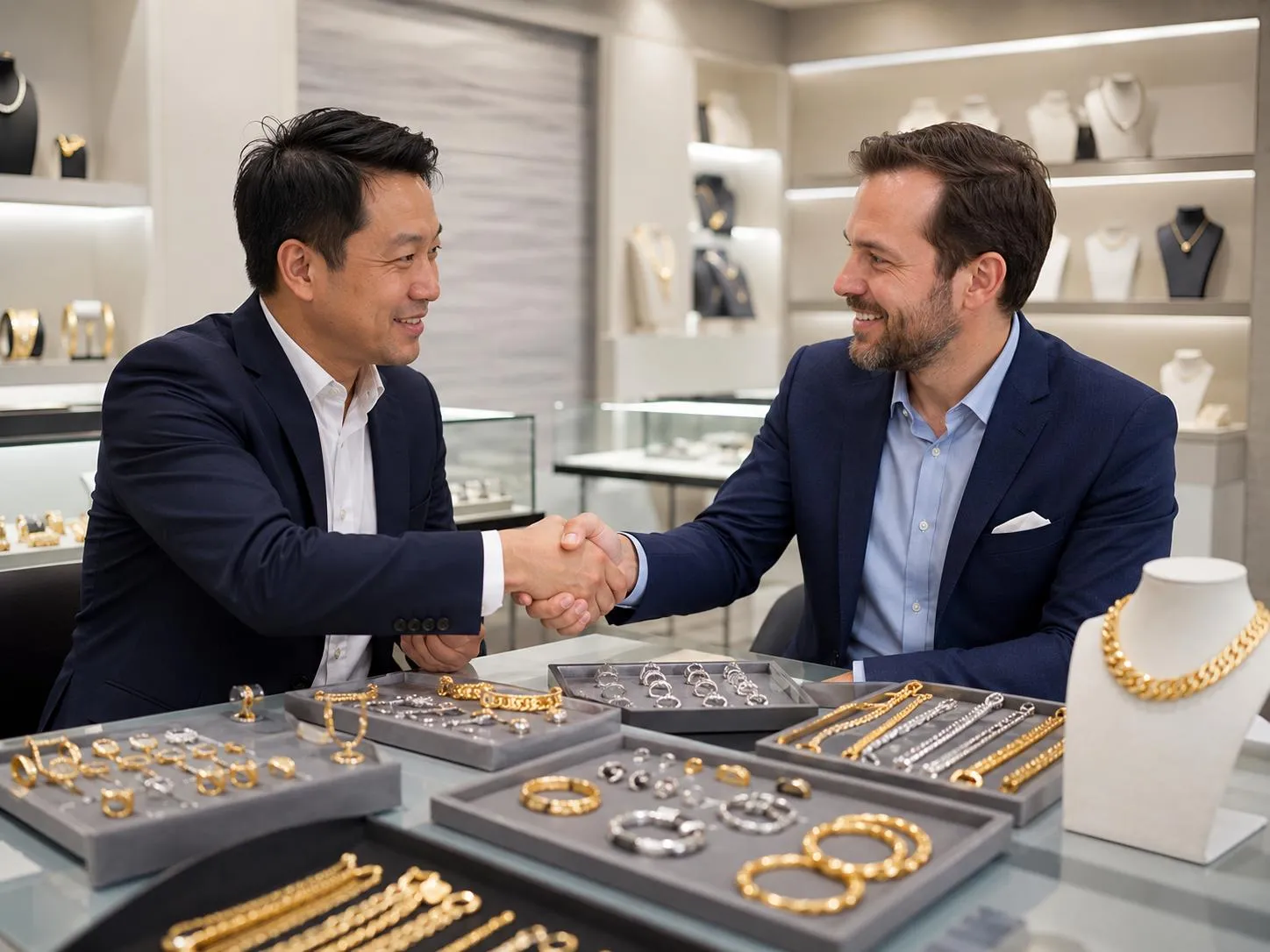
Haosen is a direct factory with 16 years of experience in jewelry making. We are SEDEX-checked and share SGS and REACH reports with every order. Our low MOQ and 25-day lead time make it easy to start. We also run a US showroom, so support stays close to home. Over 200 brands trust us, from new startups to big retail stores. You can see our proof and request a quote from us at any time.
Conclusion
Learning how to find a jewelry manufacturer is about more than a quick search. Define your needs, search smart, and check every claim with proof. Always pick a direct factory over a trader. A low-MOQ partner with strong test reports is the safest start for a new brand. Haosen has helped brands launch and grow for 16 years. Get a free quote today and start with a small, low-risk sample order.
Frequently Asked Questions
1. How do I find a jewelry manufacturer?
Define your material, budget, and order size first. Then search B2B sites, trade shows, and referrals. Always vet each factory with samples and reports.
2. What is the difference between a factory and a trader?
A factory makes the jewelry and controls the price. A trader buys from a factory and resells it at a markup, with less control.
3. What MOQ should a new brand look for?
A low MOQ, such as 30 to 120 pieces, is best. It lets you test designs and reorder without tying up your cash.
4. What should I ask a jewelry manufacturer?
Ask about MOQ, lead time, test reports, OEM and ODM options, references, and defect rate before you commit.
5. How do I avoid a bad supplier?
Avoid sellers with no certs, slow replies, or no samples. Always check test reports and order a sample before a full run.
Autor

Análisis de tendencias de la industria e investigación de datos del mercado de joyería.