
A stainless steel lobster clasp is a small jewelry component, but its reliability depends on precise forming, spring action, dimensional control, surface finishing, connection-ring quality, and final functional inspection. For jewelry buyers, the key points are material grade, clasp size, spring return, opening and closing smoothness, weld or connection strength, surface quality, and compatibility with the chain or bracelet structure. A well-made lobster clasp should be evaluated as a functional component, not only by appearance.
Stainless steel lobster buckle production process
A lobster clasp is a functional jewelry component whose reliability depends on material choice, forming accuracy, spring action, connection structure, finishing, and functional inspection. For a broader comparison of clasp types and engineering considerations, see our precision jewelry clasp guide.
Mold making
According to the design of the lobster clasp, make the mold. The mold is usually made of steel or aluminum alloy with the shape and size of the lobster clasp.
Stamping molding
Stainless steel sheet is placed in the mold, and then a stamping press is used to apply pressure to the stainless steel sheet to deform and form it into the shape of a lobster clasp. For more information about stainless steel grades and the sheet, bar, tube, and wire forms used in jewelry components, see our 316L stainless steel jewelry material guide.
Trimming and Chamfering
Remove the stamped lobster clasp from the mold and remove excess metal burrs and sharp edges.
Welding
The two halves of the lobster clasp are welded together to form a complete lobster clasp. Welding is usually done using laser welding or resistance welding.
Heat Treatment
Heat treatment, such as hardening and tempering, is applied to lobster clasps to improve their strength and toughness.
Surface treatment
Surface treatments such as polishing, plating or painting are applied to lobster clasps to improve their aesthetics and corrosion resistance.
Ensamblaje:
Assemble the two halves of the lobster clasp together and install the spring and lever. Spring tension, lever travel, opening size, and return action should be evaluated together when selecting a clasp. See our guide to jewelry clasp engineering and selection.
Testing and packaging
Conduct quality inspection on the lobster clasp to ensure that it meets the design requirements and standards. Qualified lobster clasps will be packaged and shipped. These clasp-specific checks should be part of a broader jewelry quality control process covering dimensions, surface condition, spring return, opening and closing function, connection security, and finished-product inspection.
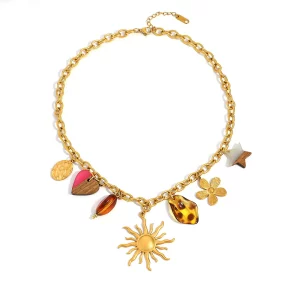
Collar de resina con dijes ajustables | Totalmente personalizable
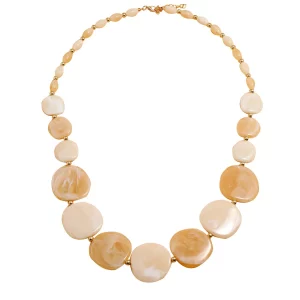
Alloy Resin Geometric Necklace | Jewelry Logo Engraving
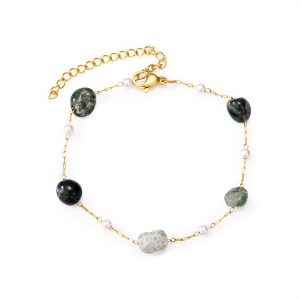
Customizable Adjustable Natural Stone Pearl Chain Bracelet for Women
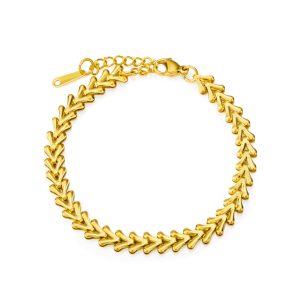
Bulk Jewelry OEM ODM Niche Punk Fish Bone Link Chain Bracelet for Women Men
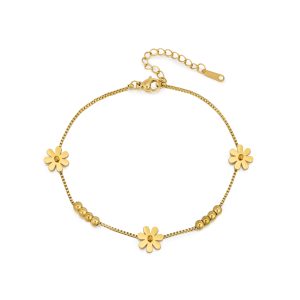
OEM ODM Stainless Steel Daisy Flower Chain Bracelet for Women
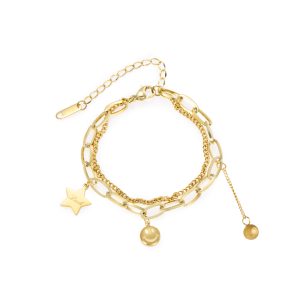
Custom Exquisite Star Smiley Charms Double Layer Chain Bracelet for Women
Related Clasp, Chain & Jewelry Component Guides
- ¿Por qué los cierres de precisión para dijes determinan la calidad de tus dijes de joyería?
- Cómo elegir la cadena metálica adecuada para equilibrar el peso, el costo, la durabilidad y la estética
- 316L Stainless Steel Jewelry: Benefits, Properties & 8 Raw Material Forms
- Custom Charm Bracelet Manufacturing Guide
- Jewelry Quality Control Process
Autor
-
Ertian Jiang (Jasper) es el fundador de Haosen Metal Jewelry. Desde los 26 años, ha combinado sus profundos conocimientos de la artesanía tradicional con una visión aguda del mercado para sentar las bases de la excelencia de la empresa.
Ertian Jiang comenzó desde cero como artesano, especializándose en piedras semipreciosas (ágata, nácar, ojo de tigre) y en la incrustación manual, perfeccionando la técnica para encajar piedras naturales en bases de metal sin que quedaran huecos ni fallara el pegamento. También trabajó en primera línea de ventas, hablando cara a cara con los compradores y escuchando sus quejas sobre piedras que se caían y colores que se desvanecían.